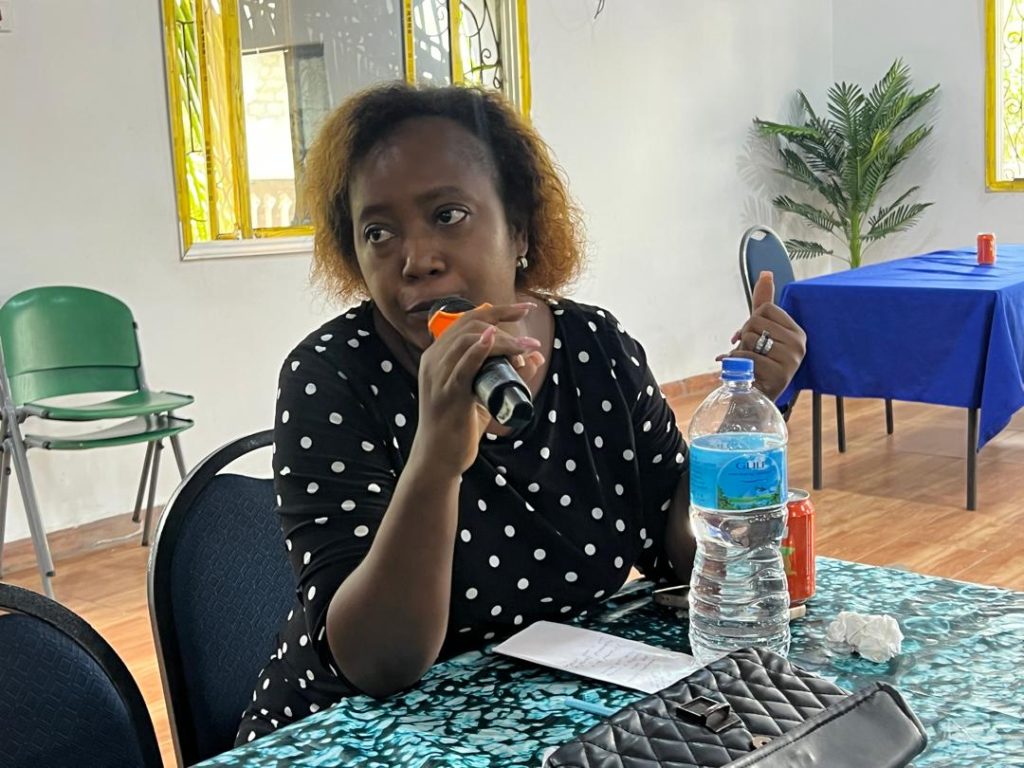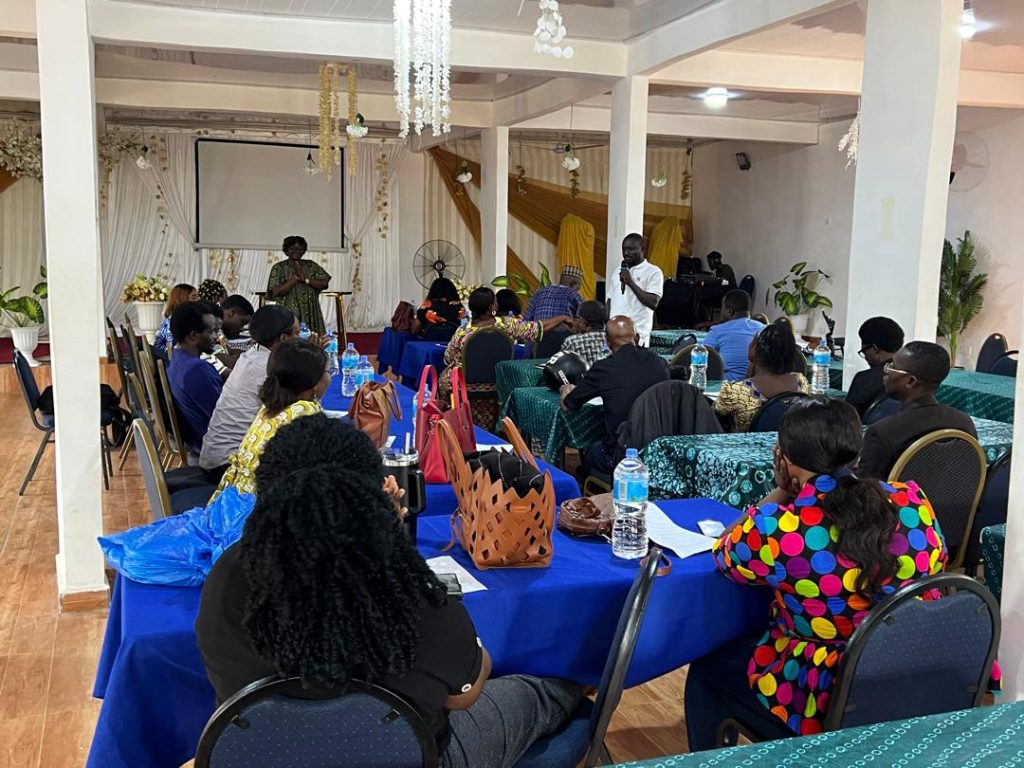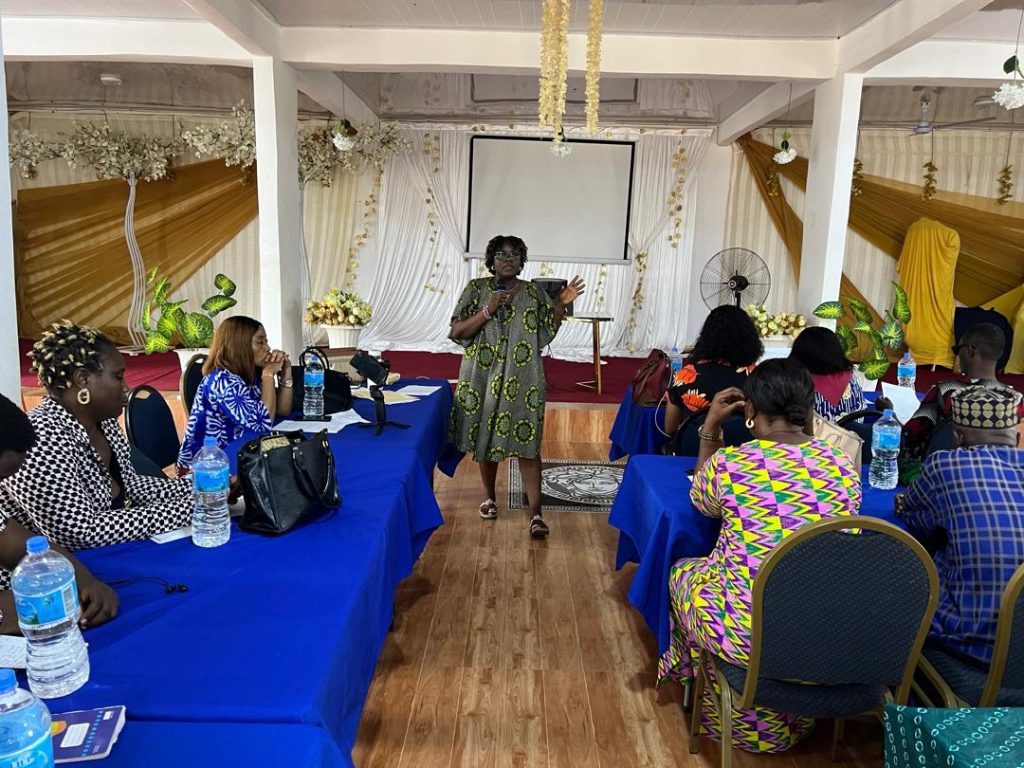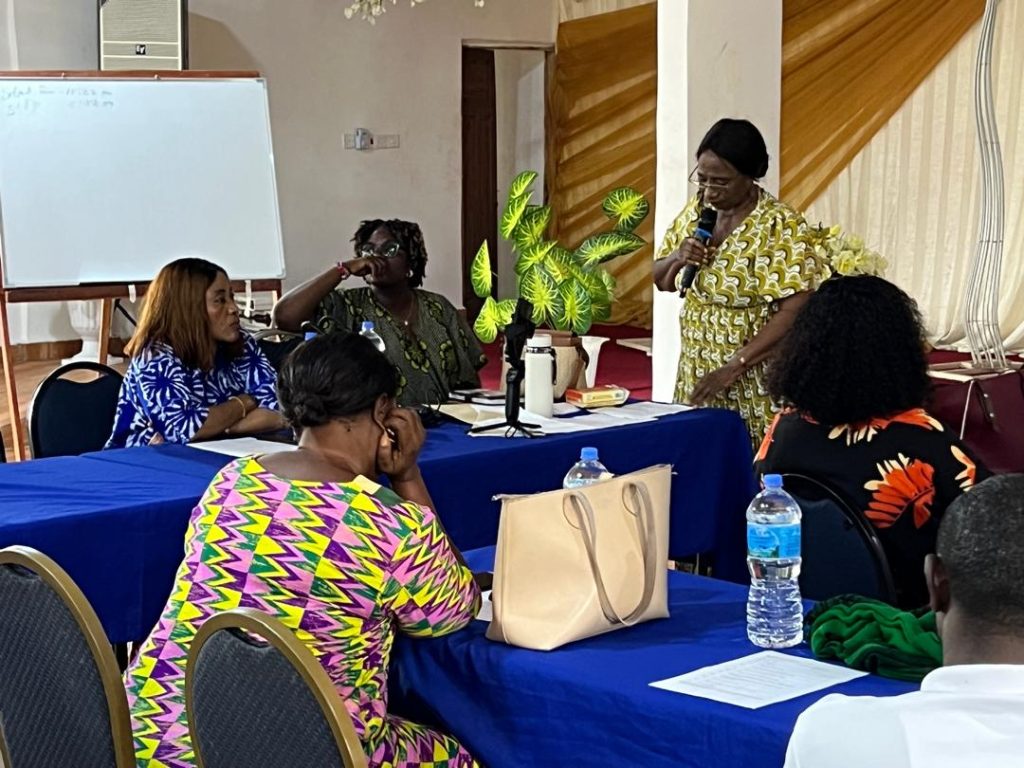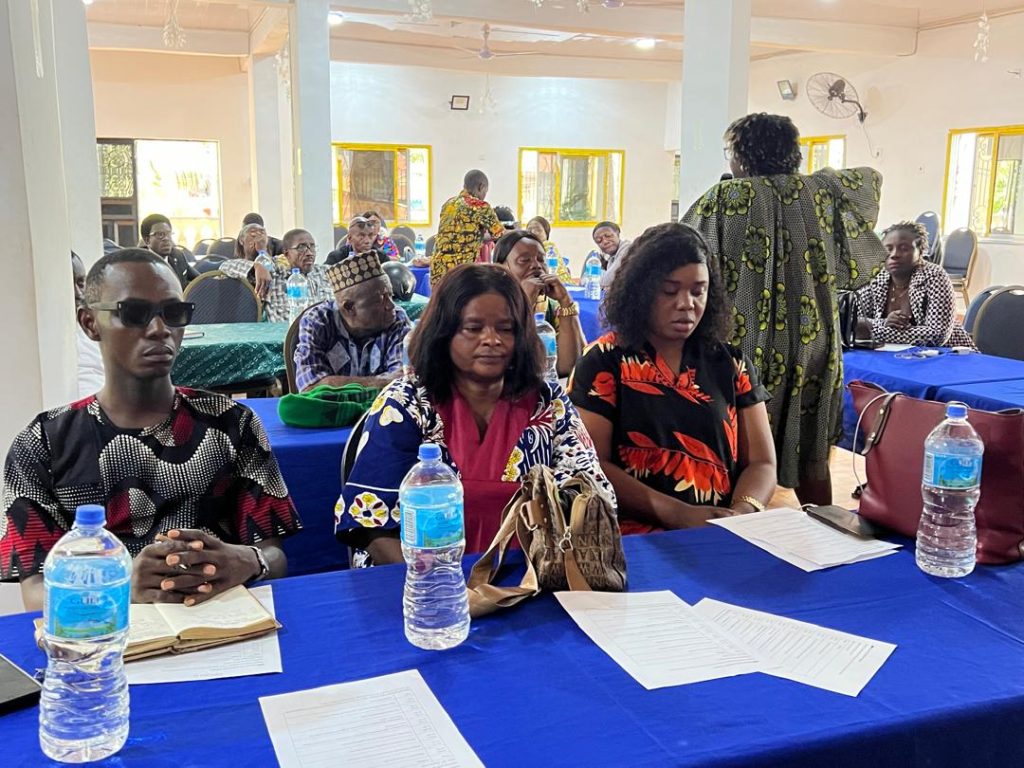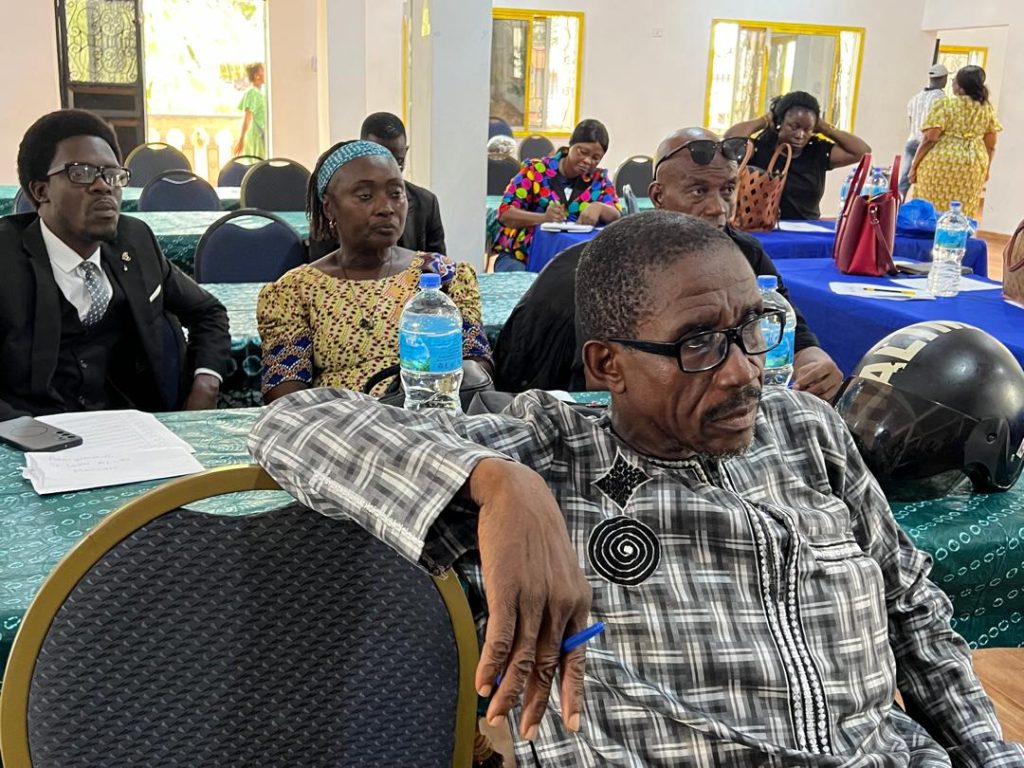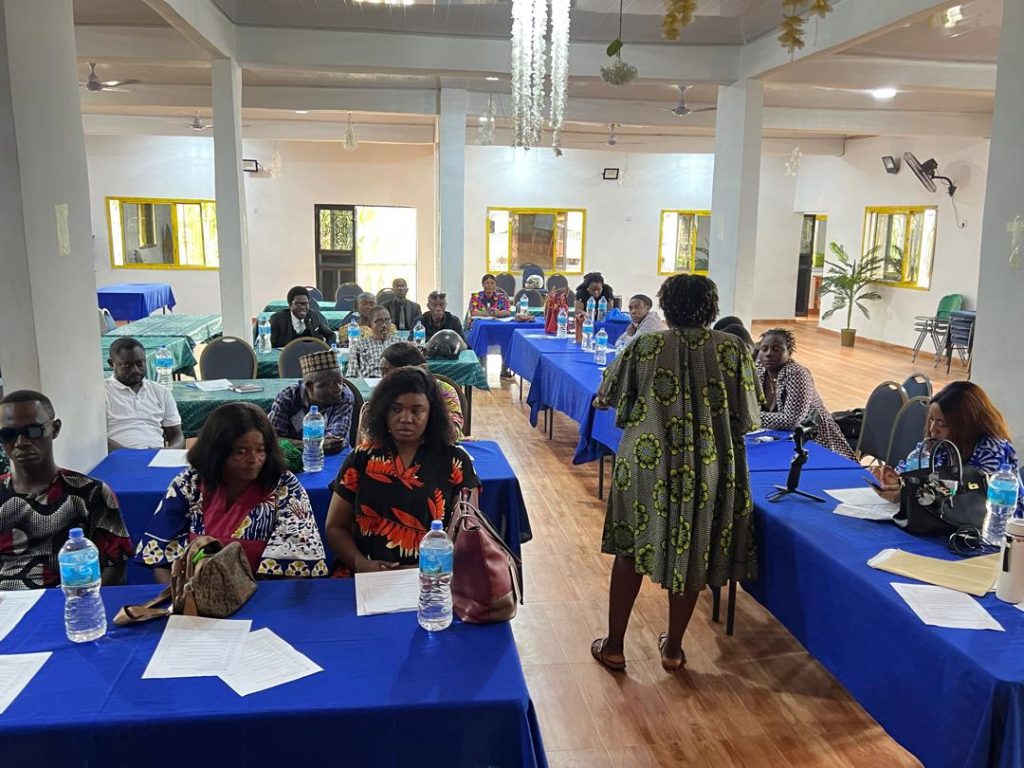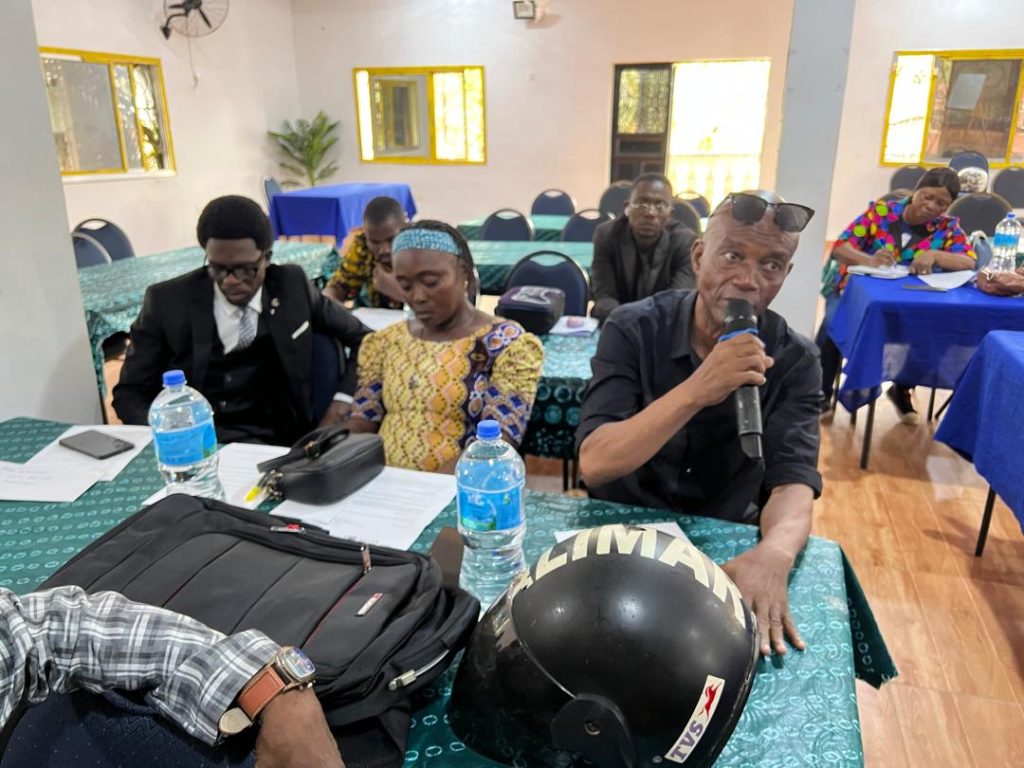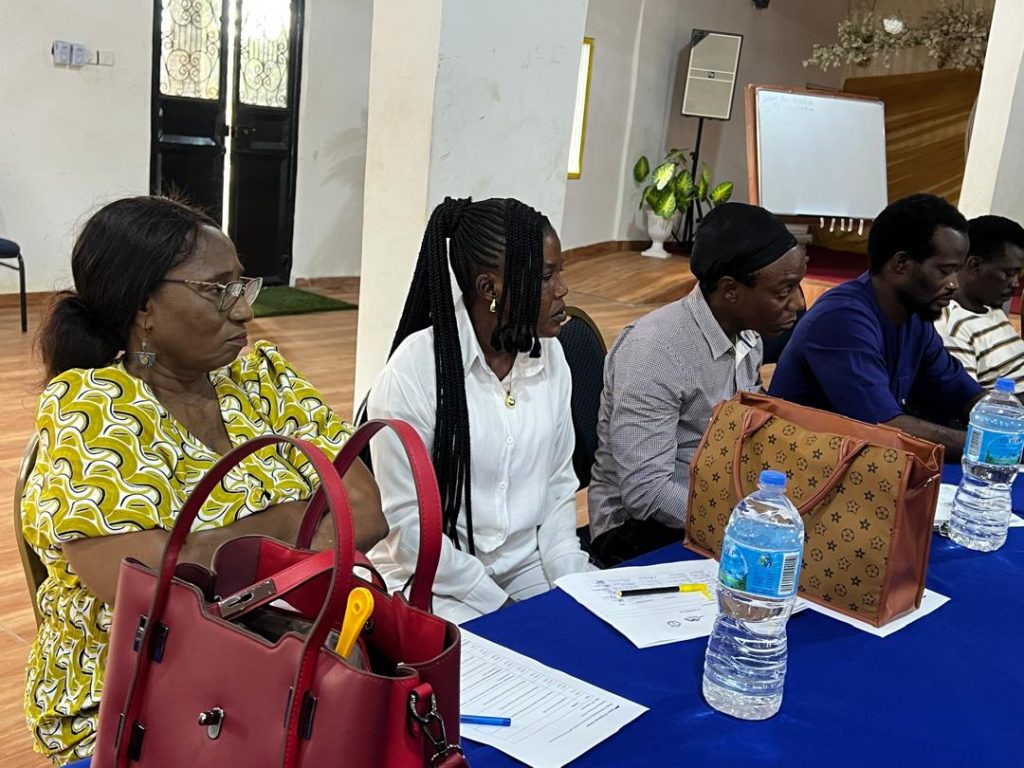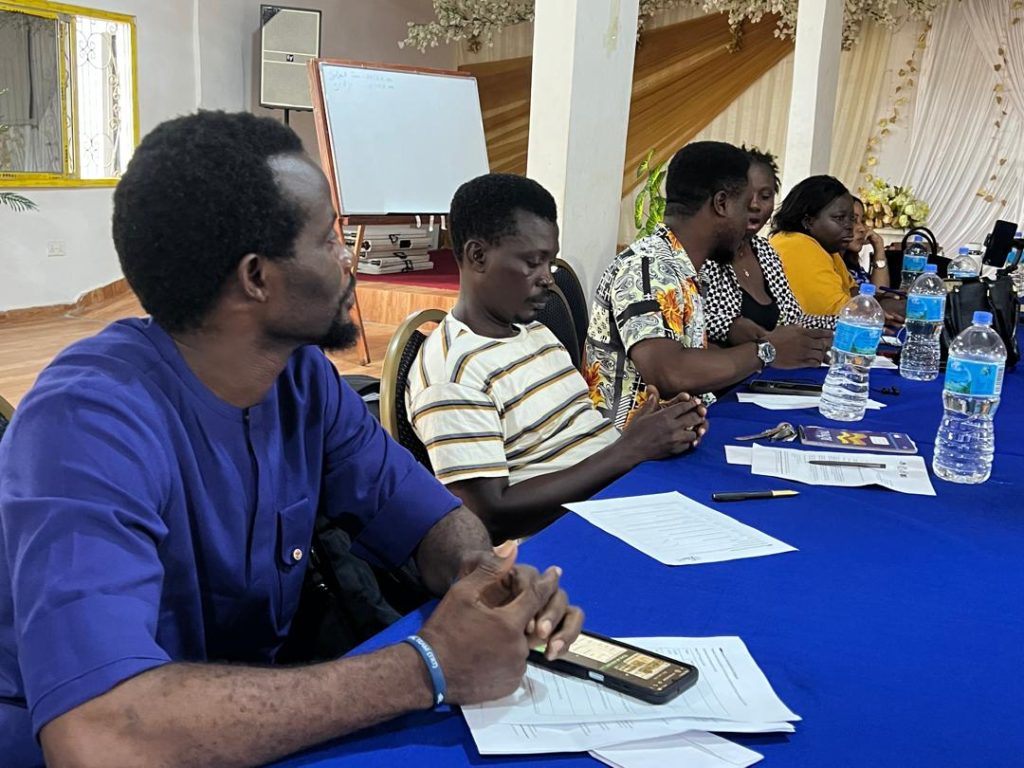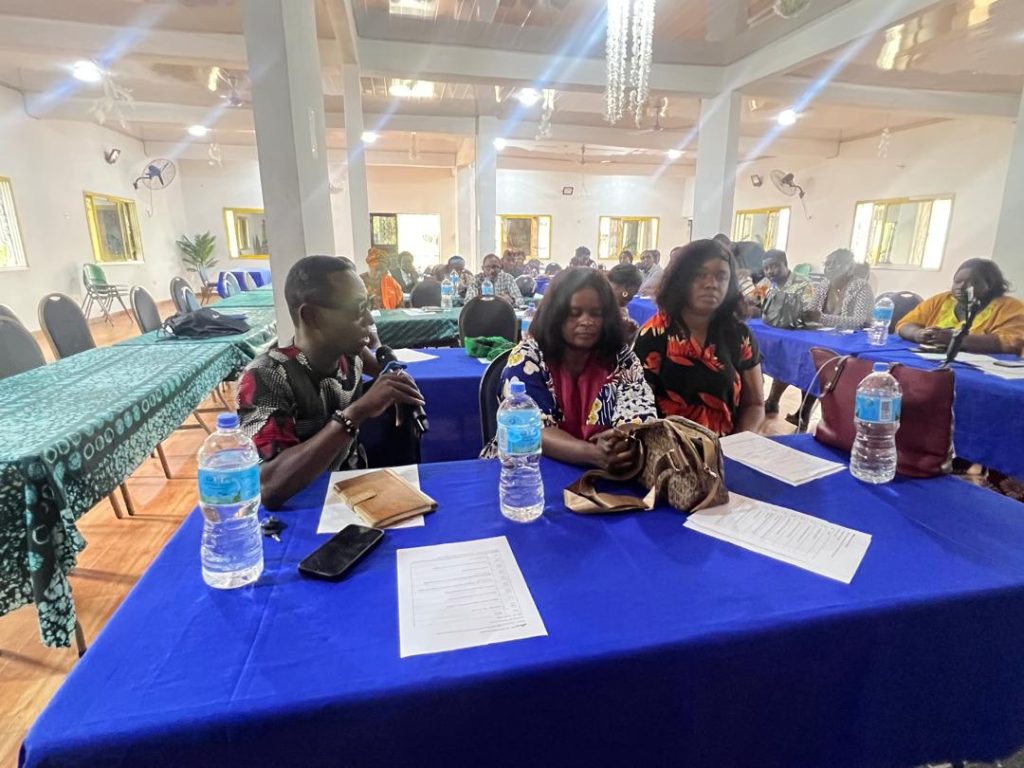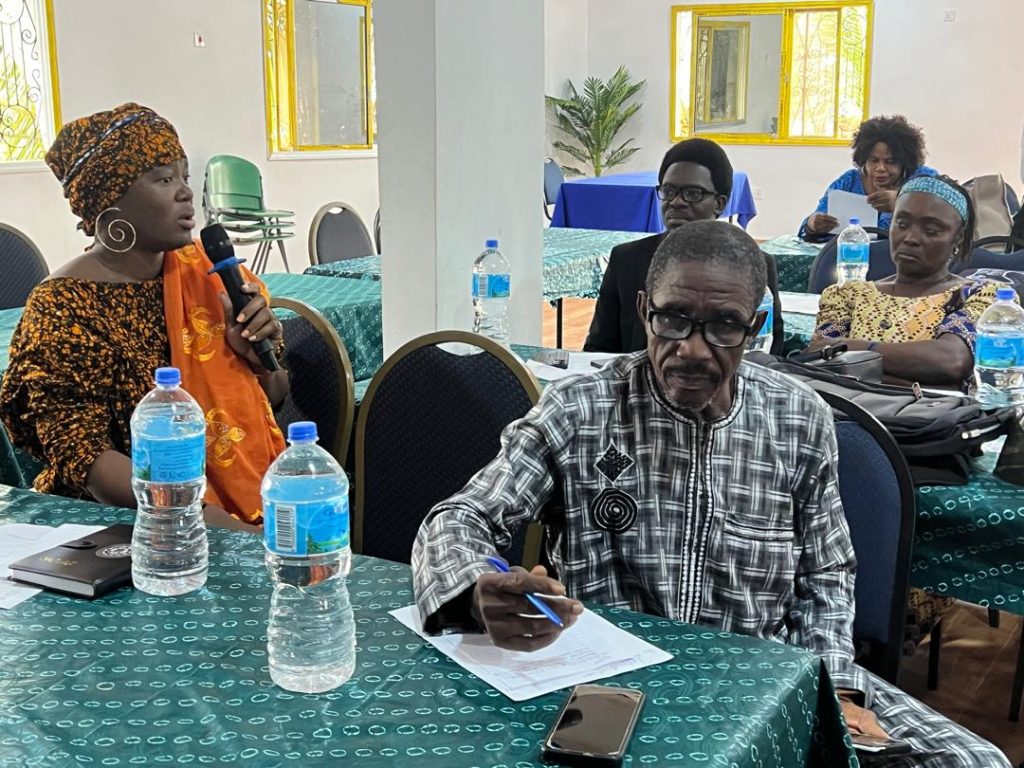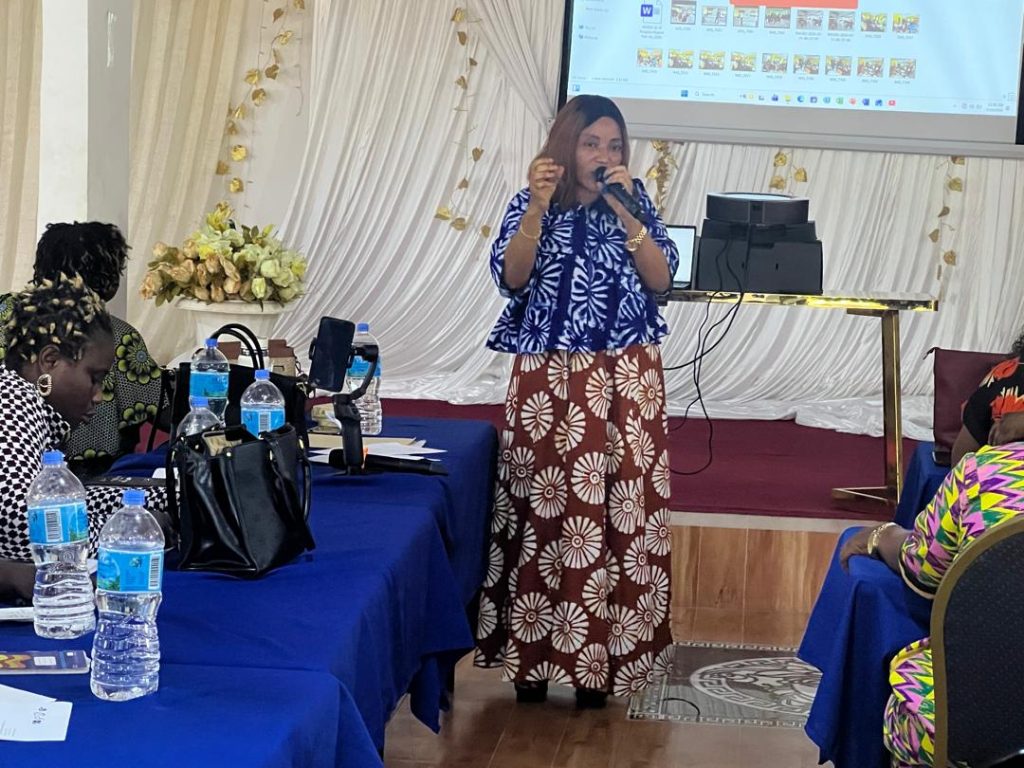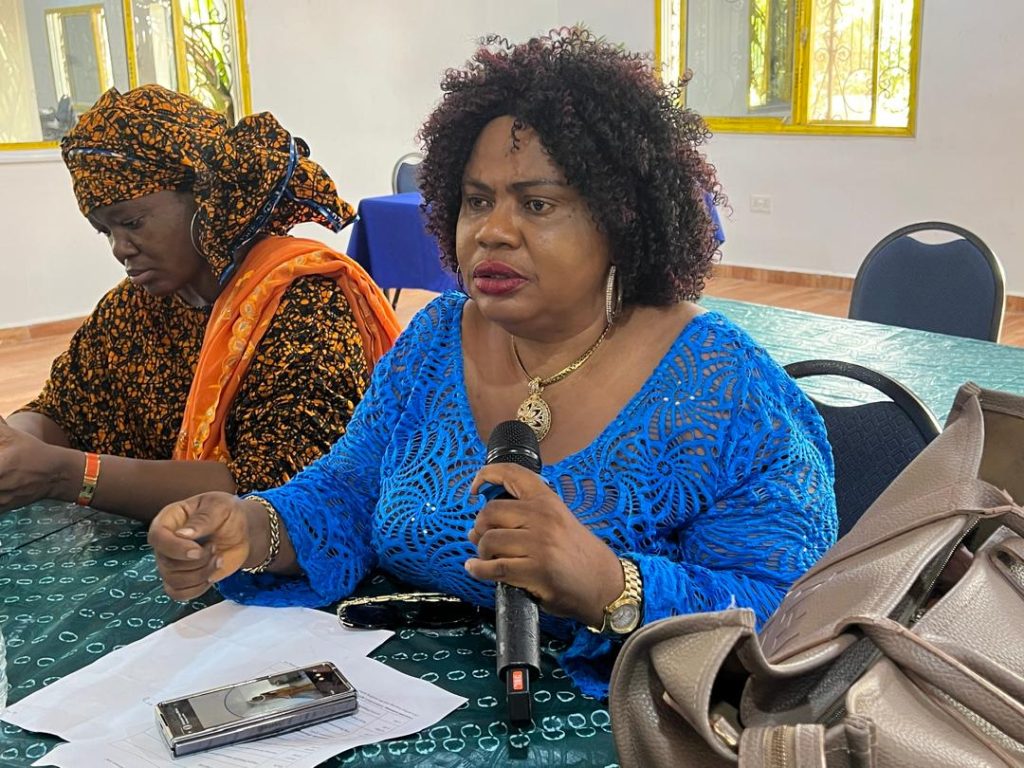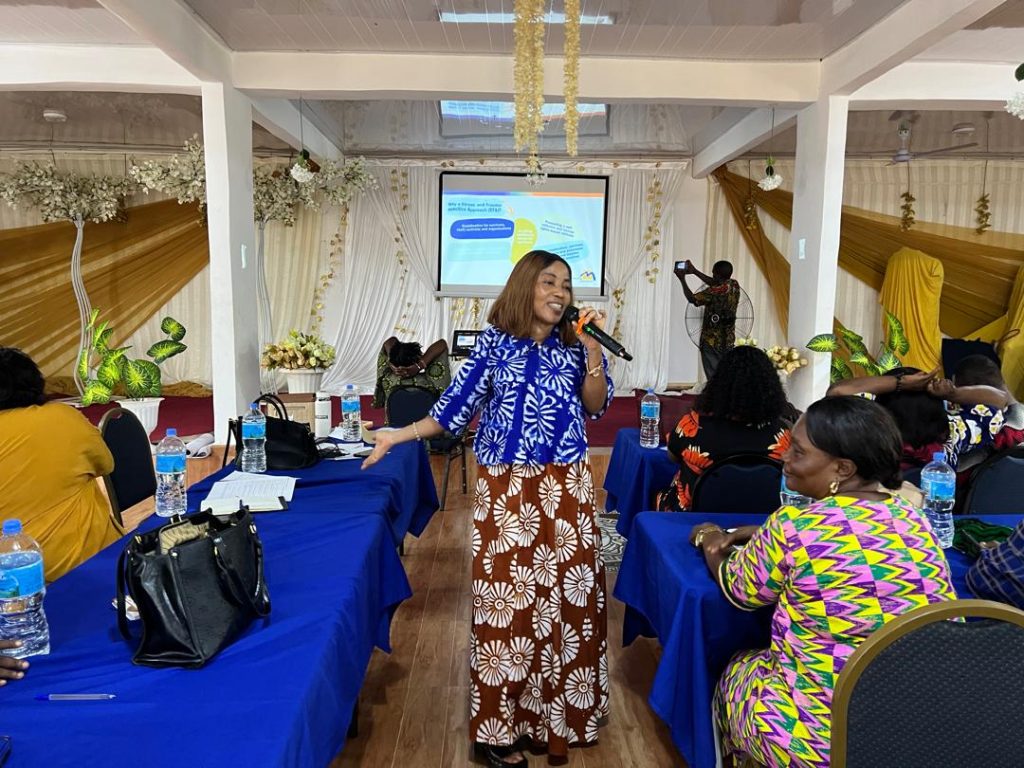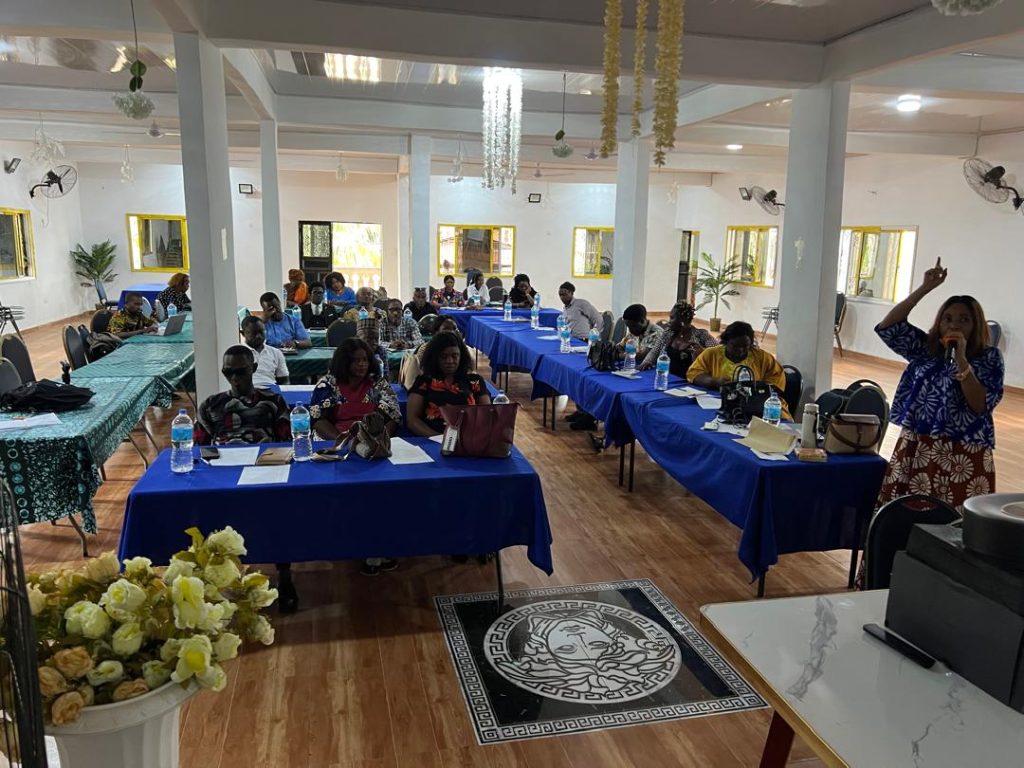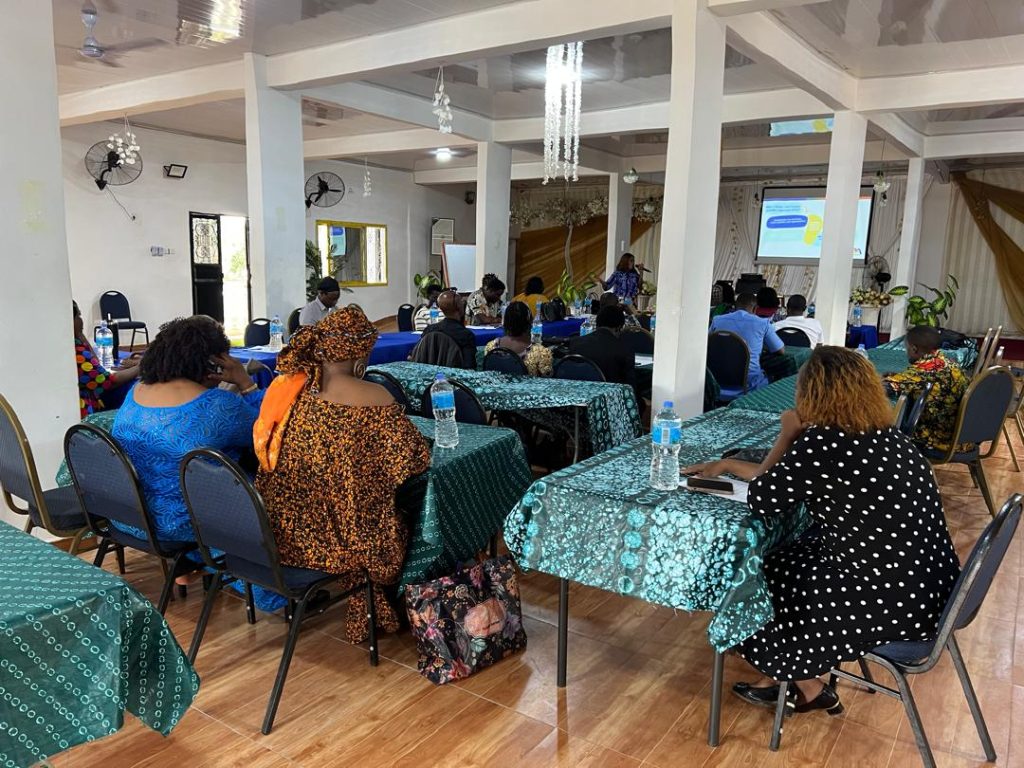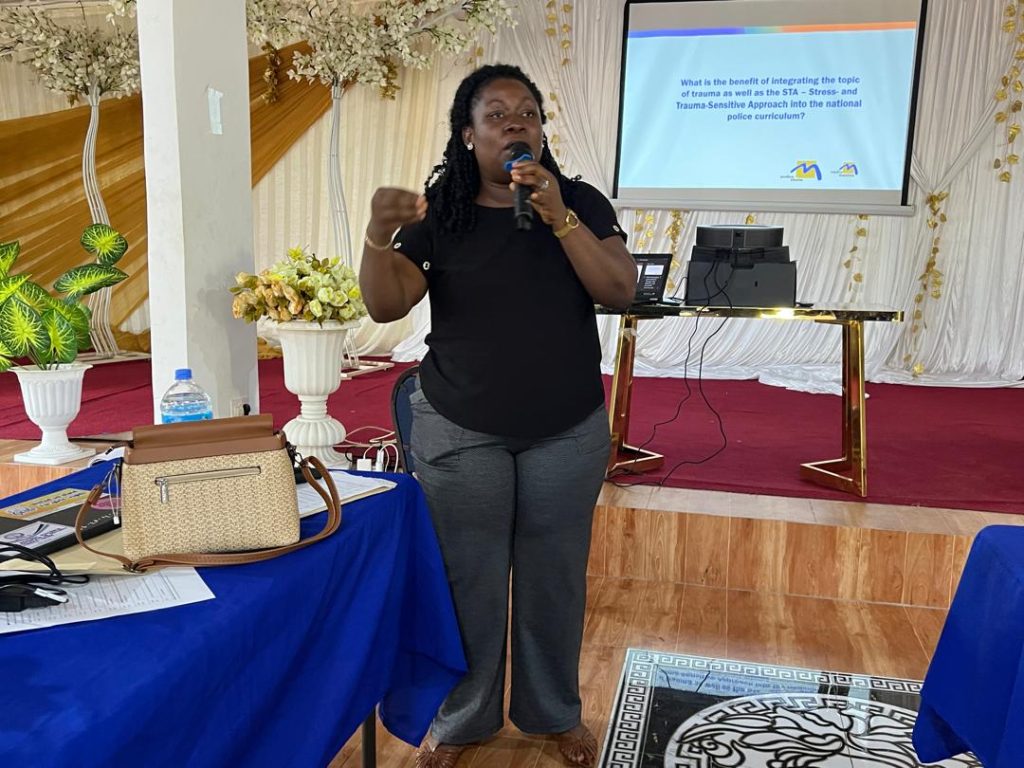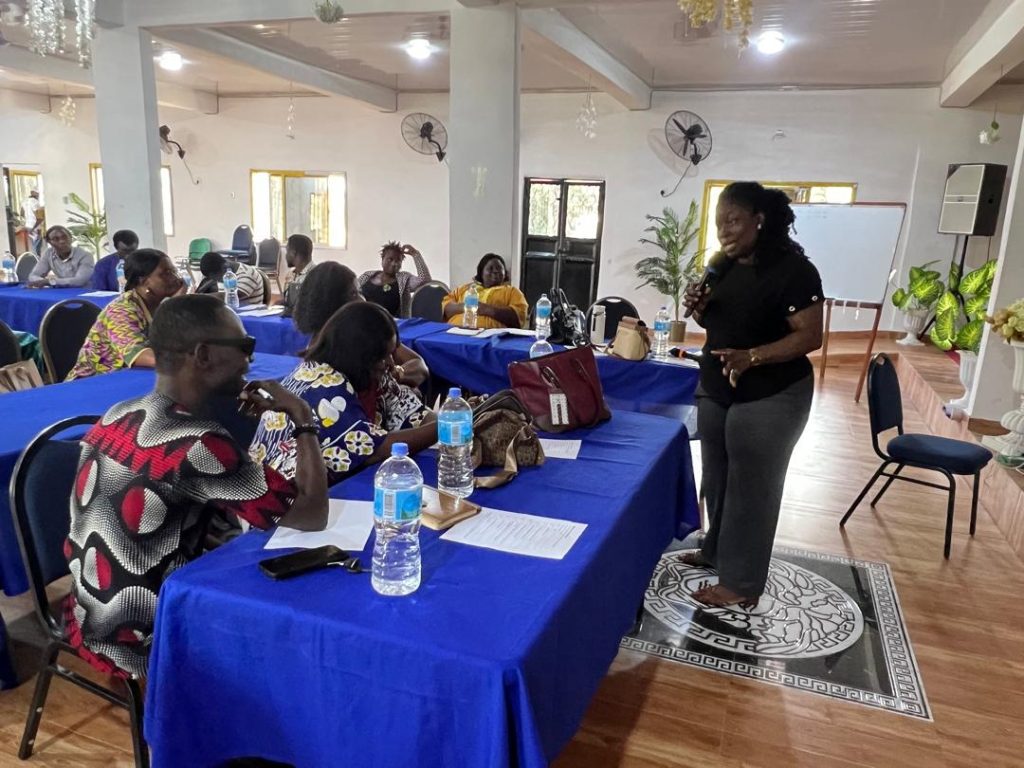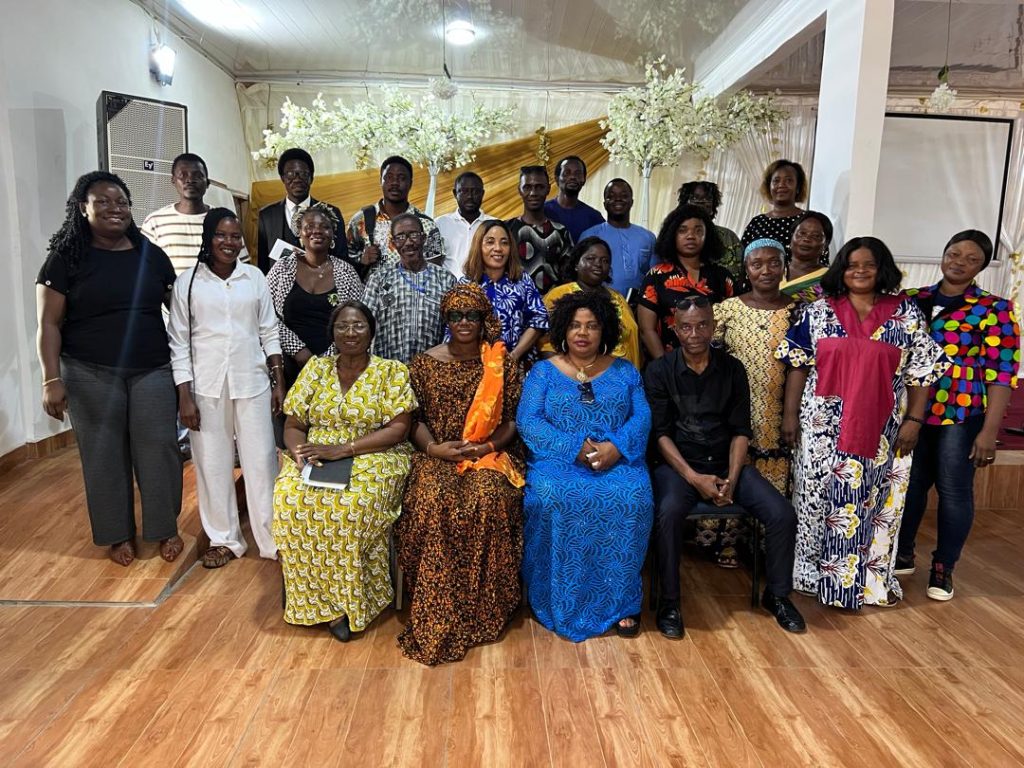
WAVES-SL with support from Medica Mondiale/BMZ organized a one-day stakeholders’ meeting at Unity View Event Centre, along the Bo-Taiama Highway, Bo City. The meeting brought together key stakeholders to discuss issues related to the Stress and Trauma Sensitive Approach (STA) manual and to discuss the relevance for its inclusion into the Sierra Leone Police training curriculum.
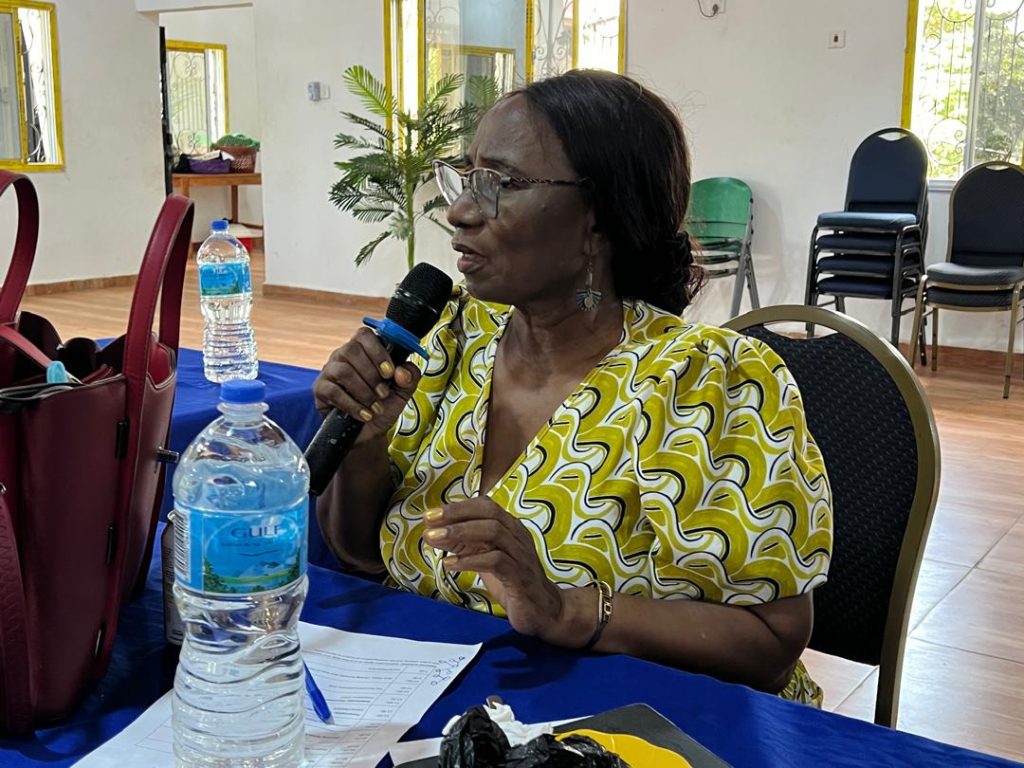
The Executive Director of WAVES-SL, Madam Hannah Fatmata Yambasu, thanked stakeholders for honoring the Organization’s invitation as she gave a brief overview of the Stress and Trauma Sensitive Approach (STA). She informed the audience that the STA Manual has already been incorporated into the Police training Manual in the neighbouring Liberia. She stressed that Sierra Leone should not be left out as it is an opportunity for our Forces who interface with survivors on almost daily basis to be au fait with the manual and reaffirmed WAVES-SL commitment to advocating for its inclusion into the Police training curriculum. She further stated that several engagements have been held at the Police Headquarters in Freetown to advocate for this inclusion and expressed satisfaction that all engagements had been fruitful and very satisfactory.
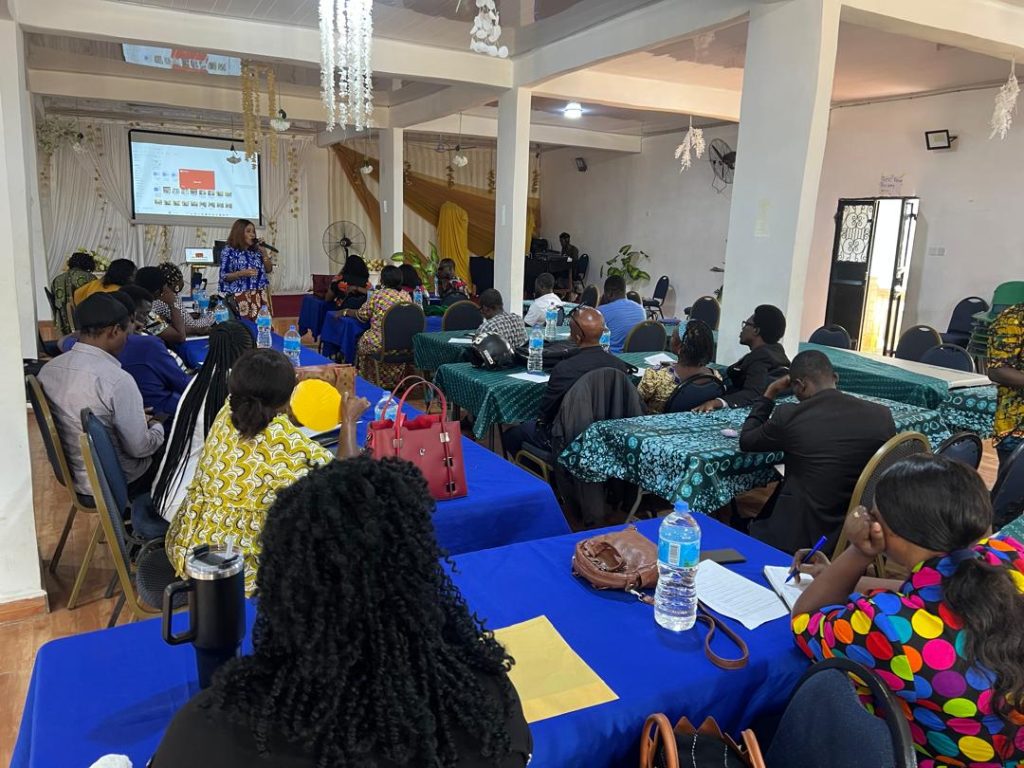
The Project Officer, Elizabeth Rhoda Pratt, provided a brief overview of the project and its objectives. She highlighted that the Police serve as the first point of contact when survivors seek help. She further informed stakeholders that the initiative was driven by women who came together to ensure the safety and protection of women and girls.
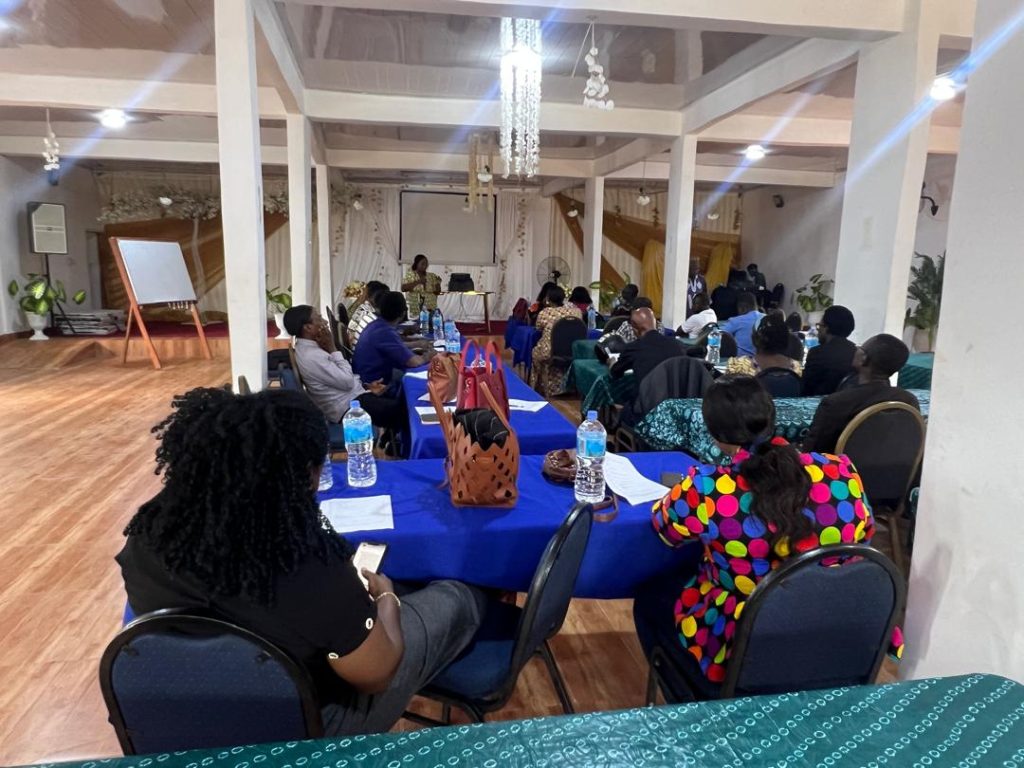
Madam Josephine Mustapha, Girl to Girl Movement (G2G) Manager, facilitated a power point presentation on Stress and Trauma sensitive Approach (STA). The session aimed to deepen participants’ understanding of STA and its application in supporting survivors. Madam Mustapha took participants through the 4 core modules of STA:
Module 1: Self Reflection and Self Care. Focused on personal awareness, emotional regulation, and the importance of caregivers practicing self-care to avoid burnout while supporting survivors.
Module 2: Gender Awareness and Awareness on Gender-Based Violence. Covered concepts of gender, power dynamics, and the different forms of SGBV. Emphasis was placed on challenging harmful norms that perpetuate violence against women and girls.
Module 3: Stress and Trauma sensitive Approach (STA) provided an overview of STA as a survivor-centred approach. Participants learned how to respond to survivors with empathy, safety, and respect while minimizing re-traumatization.
Module 4: Community Behaviours Change Highlighted strategies for engaging communities to shift attitudes and behaviours that support SGBV and FGM, and to promote protective community practices.
During discussions, stakeholders made the following recommendations: Scale-up Training: Extend STA training to more community leaders, teachers, and health workers for wider coverage. Institutionalize STA: Advocate for the integration of STA into police training curriculum, and also into the Health and Social Welfare training curricula. Community Sensitization: Conduct regular community dialogues using STA modules to address harmful practices like FGM/C and SGBV. Support for Survivors: Strengthen referral pathways and provide psychosocial support materials for frontline responders.
At the closure of the session, Stakeholders expressed appreciation for the clarity of the module and committed to applying STA principles in their work with women, girls, and survivors in their communities.