The ‘Promoting Access to Justice and Transforming Negative Social Norms through Women’s Human Rights Awareness in Sierra Leone’ project funded by Comic Relief aims to address the structural barriers that prevent rural women and girls from accessing justice and exercising their rights. It does so through three integrated pillars: establishing community-based paralegal networks to bridge the gap between rural communities and the formal justice system; Creating safe spaces for adolescent girls, supported by trained mentors, to build life skills, sexual and reproductive health knowledge, and protection awareness; and Engaging men and boys through gender transformative groups to challenge discriminatory attitudes, negative social norms, and harmful practices including Sexual and Gender-Based Violence (SGBV)
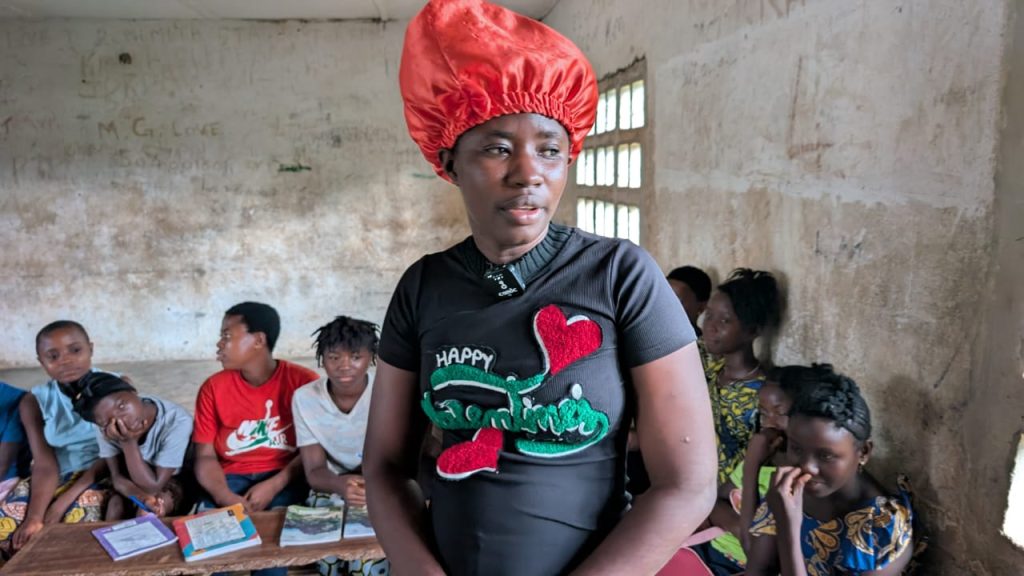
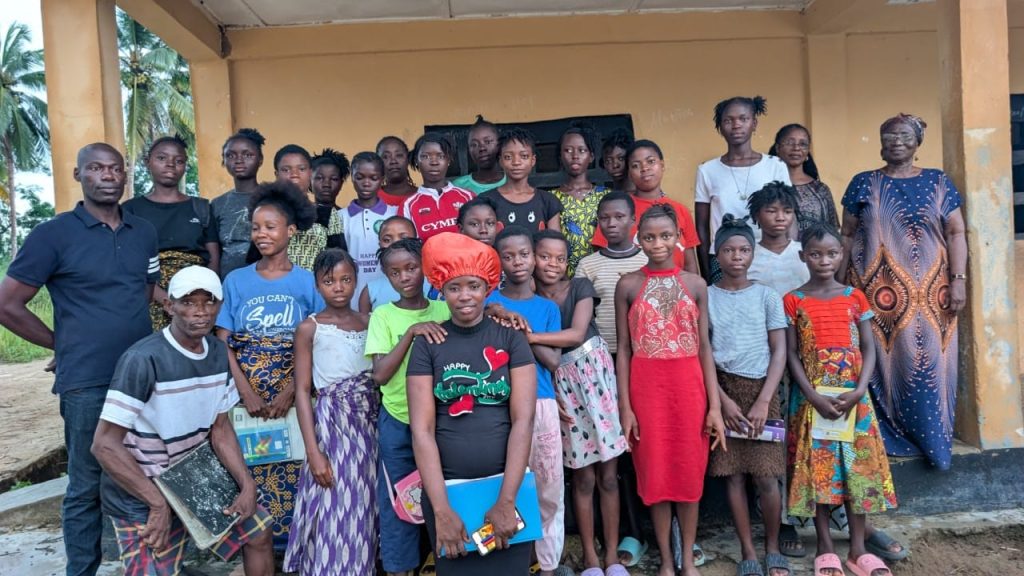
The project implemented in seven communities, in six chiefdoms has gone through several phases including Identification of mentees (adolescents), Identification and training of female mentors, Establishment of safe spaces, Identification of male gender transformative group members, and the identification and training of community-based paralegals.
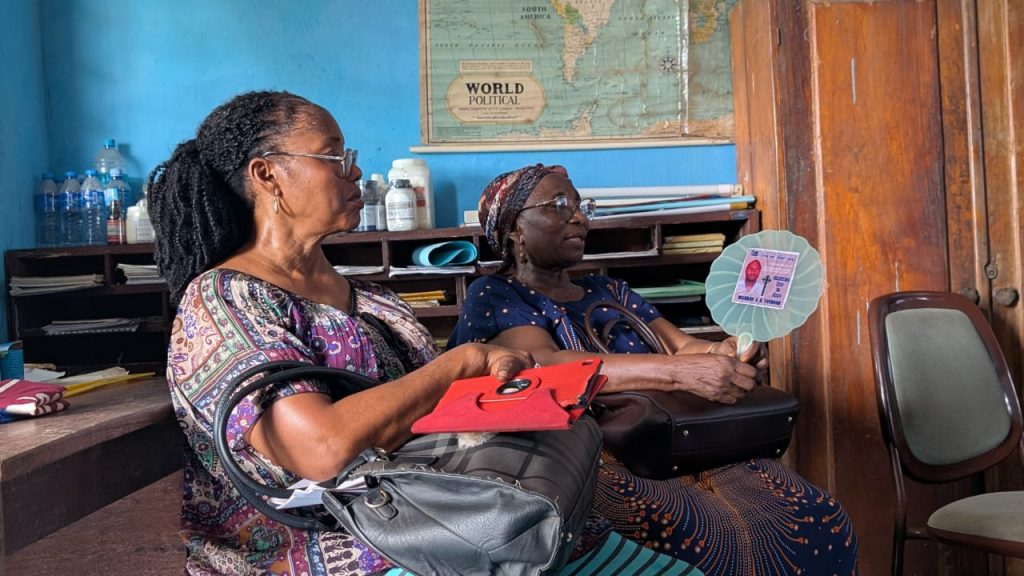
While the implementation process progresses, it became increasingly important for a targeted visit by the organization’s Board of Advisors (2) to get firsthand information and to assess the progress and status of project activities. Hence the visit.
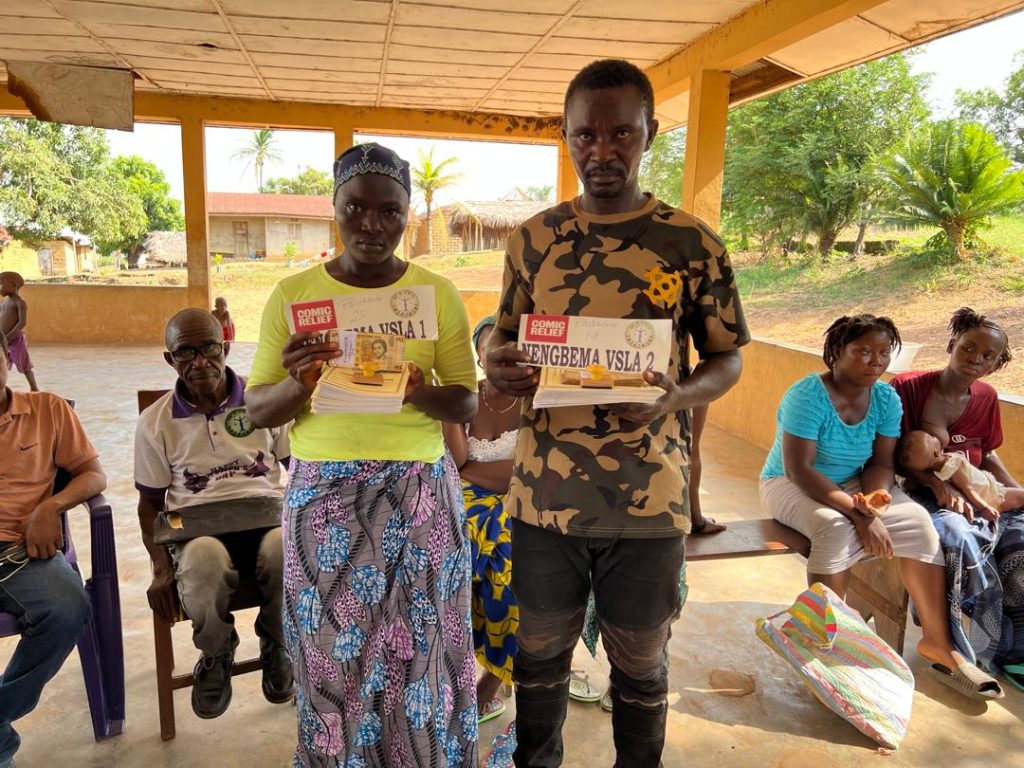
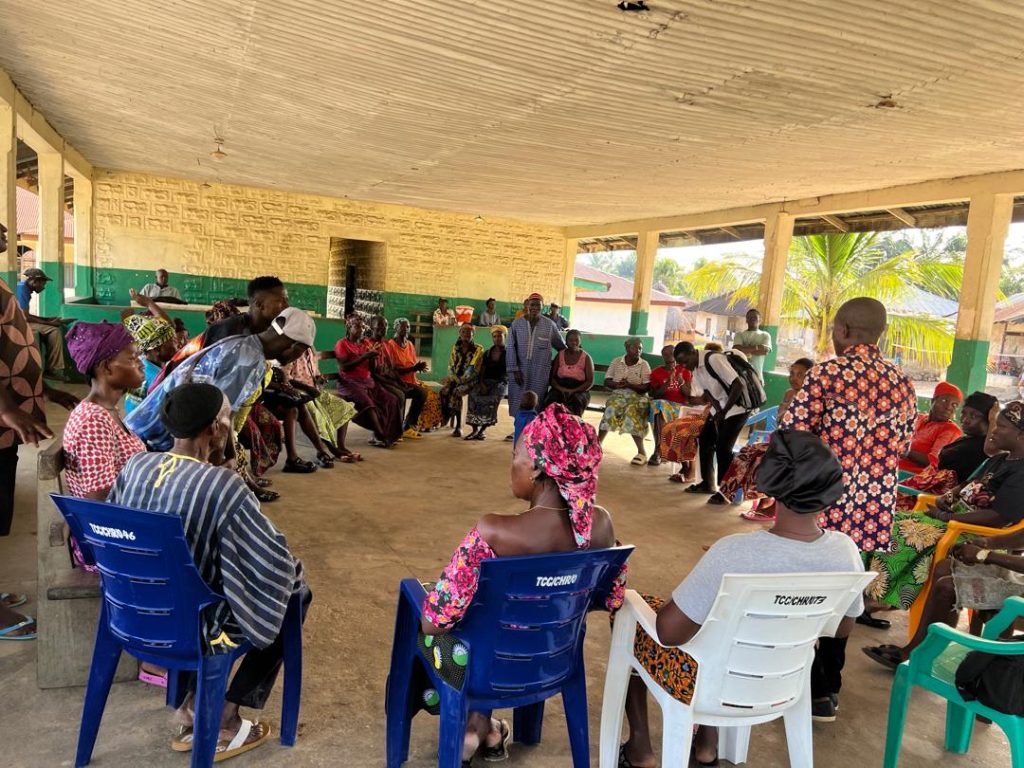
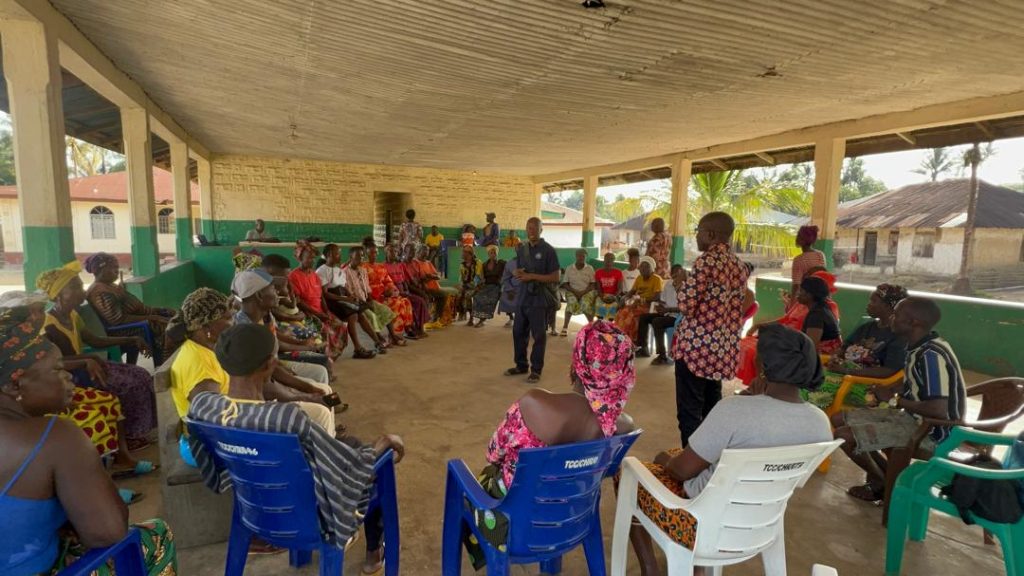
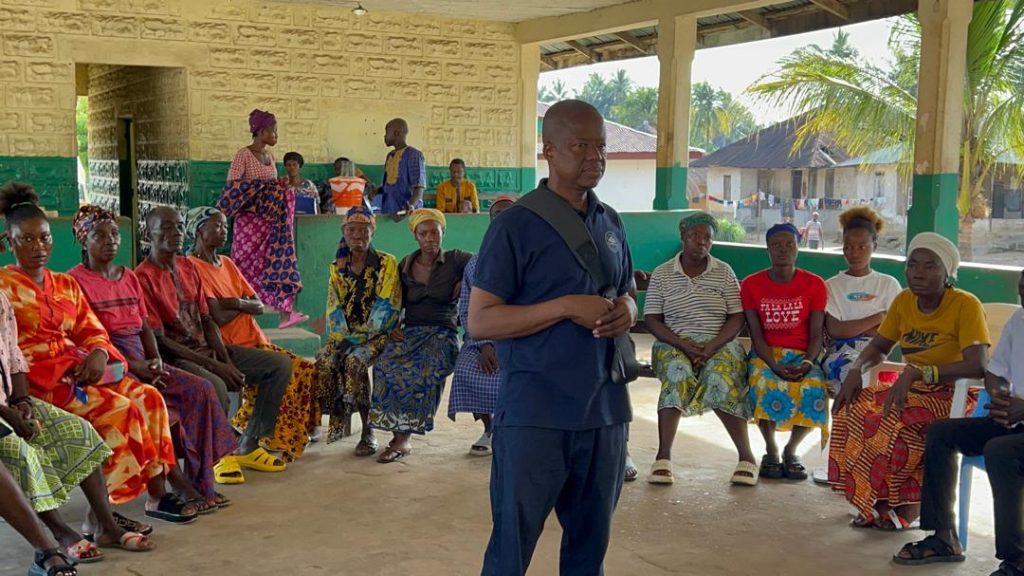
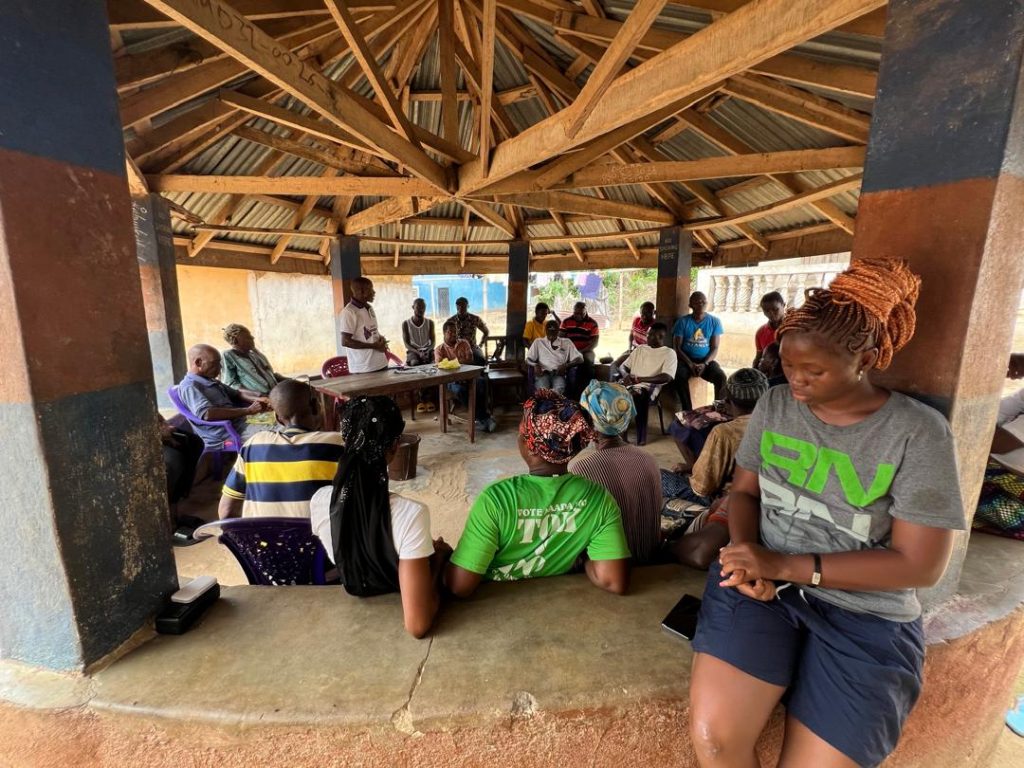
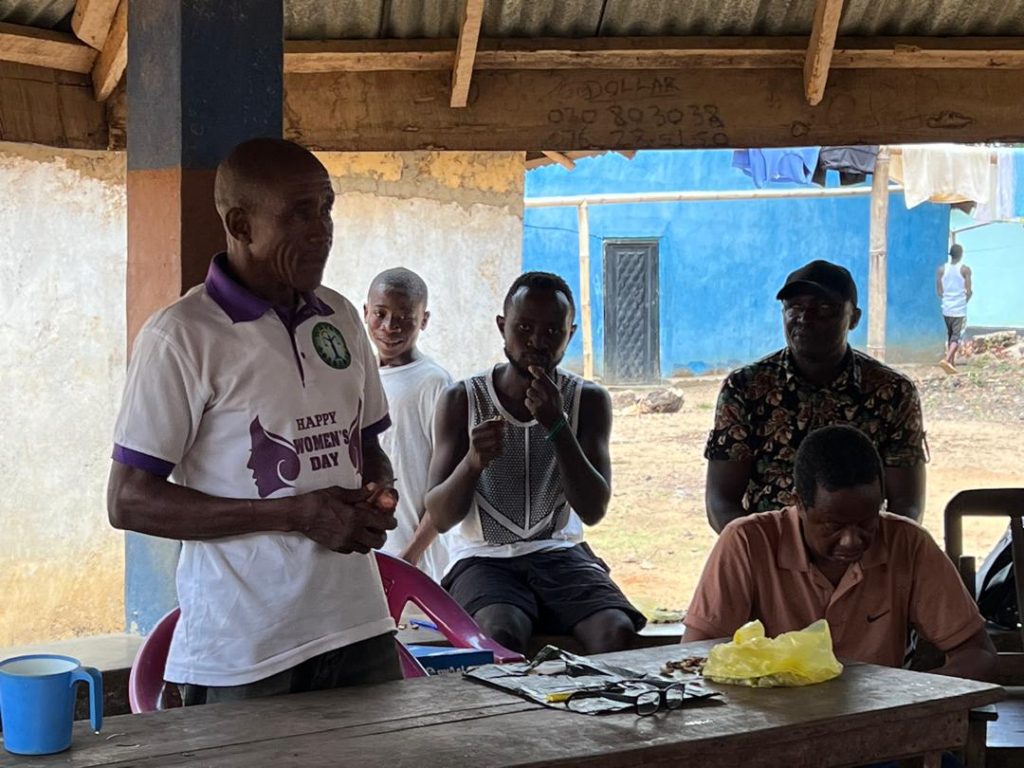
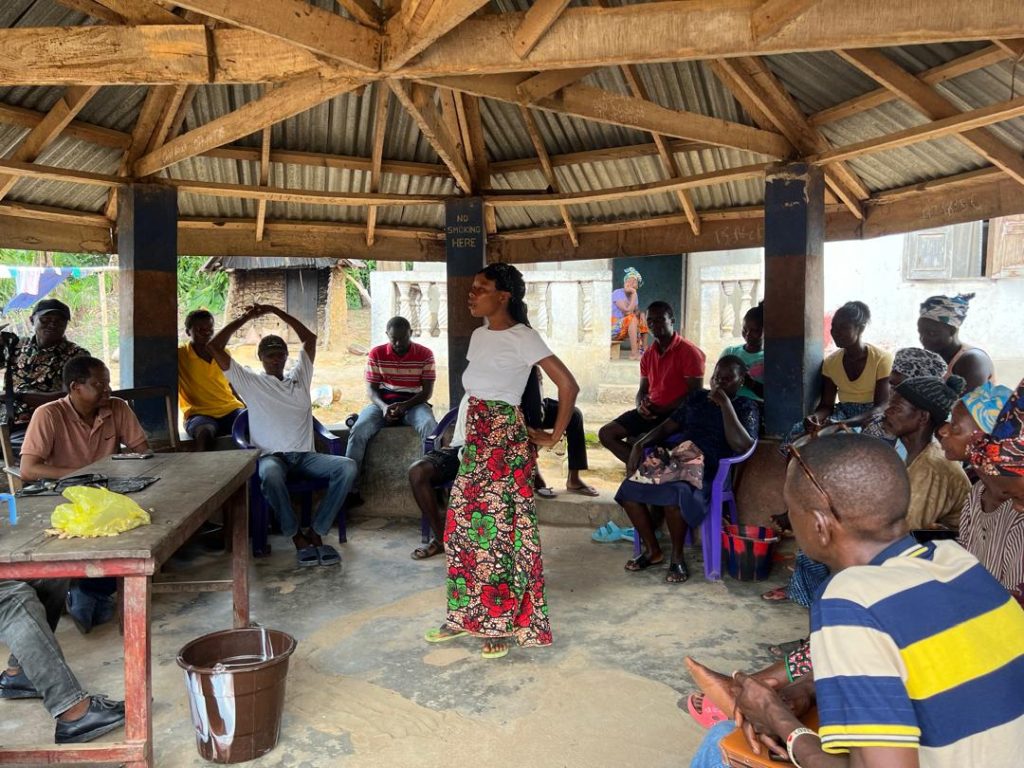
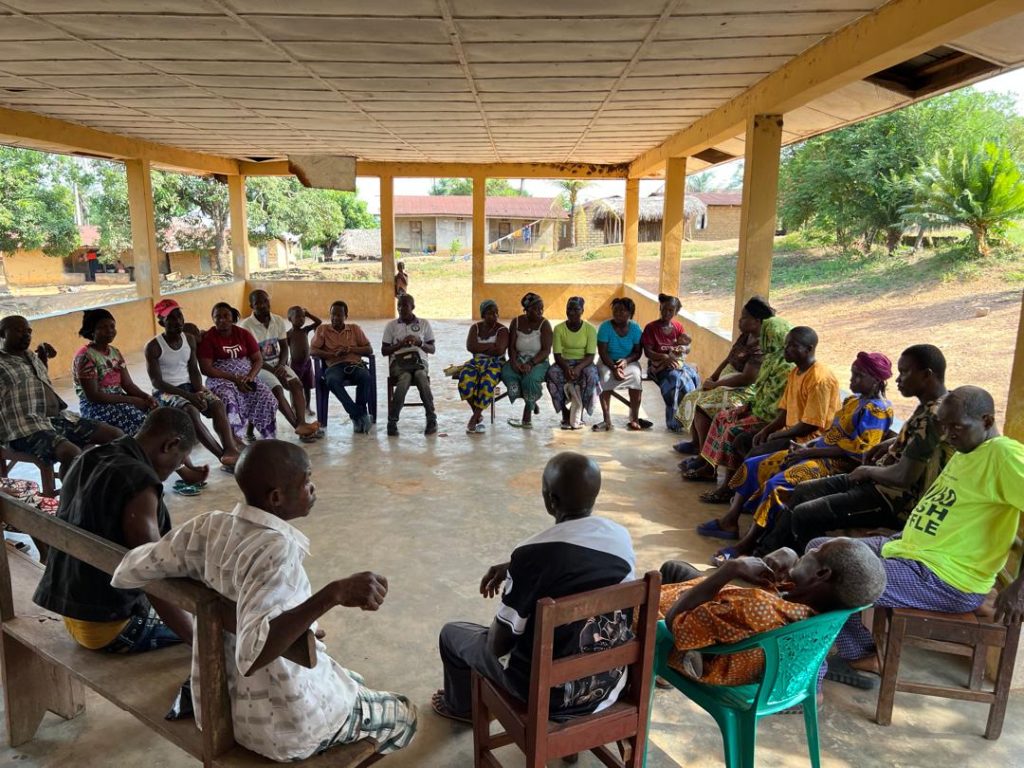
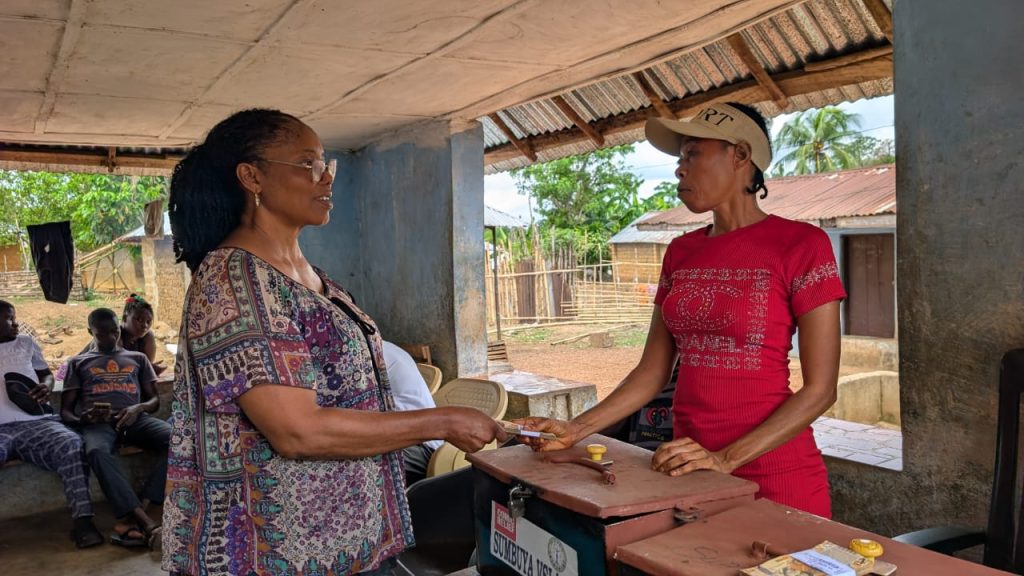
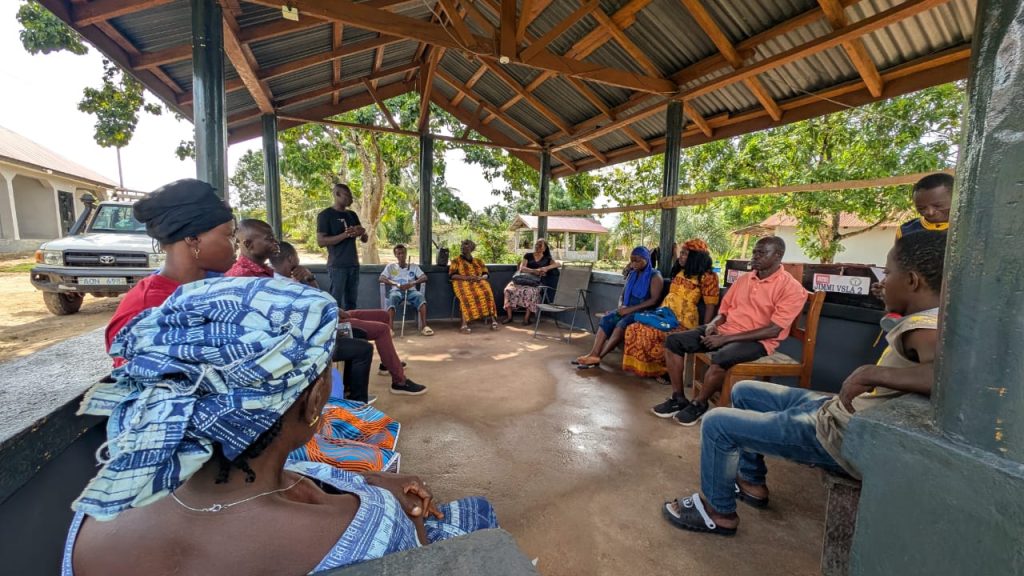
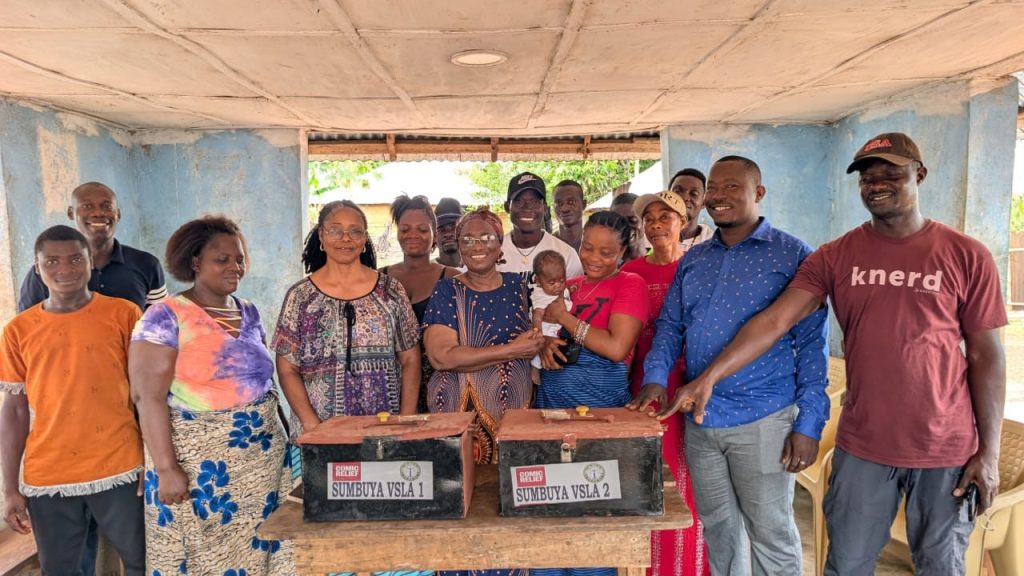
Two teams; one led by the Executive Director, and the other by the Programme Manager physically visited the following communities namely: Sahn, Nengbema, Mandu, Sumbuya, Jimmi, Gboyama, and Telu in the Niawa Lenga, Valunia, Lugbu, Bagbo Wonde and Bongor Chiefdoms, respectively. During the visits, the teams interfaced with Chiefs, community-based Paralegals, Safe Space Mentors, Parents of safe space mentees, and stakeholders including teachers, societal heads, women and youths’ leaders, religious leaders and a host of community people. In the planned community meetings held in the various communities, frank discussions were held through various community structure representatives and people as they express clear and genuine opinions about the ongoing project activities.
On behalf of the Board, Mrs. Catherine S. Yambasu and Mr. Mohamed Bundu thanked the community people for the work they are doing amidst the challenging conditions. “The progress we see in Bo District under the Comic Relief funded project shows that your commitments are making a real difference for girls, women, and families”, Mr. Bundu stated. From the perspective of Mrs. Catherine S. Yambasu, she encouraged the safe space girls especially in Jimmi Town, Bagbo Chiefdom to take their lessons at the safe space very seriously, and be respectful always to elders, and immediately report against SGBV and other harmfully related acts.
In all of the communities engaged, the team leads (Executive Director and Programme Manager) gave a holistic synopsis on the project, clearly stating the roles and responsibilities of stakeholders and the entire community people in ensuring the project achieves its intended goal.
The Monitoring, Evaluation and Learning Officer and Project Officer emphasized on the implementation strategies set out in the project document that would enhance the successful implementation of the project. This includes, they maintained, the establishment and empowerment of the various structures including the safe spaces, and the community-based Paralegals (Paralegals, Mentors and Male Gender Transformative Group Members).
The Communication Officer, and Unique Concept Media lead dilated on the commitment of all key players in the project implementation process, adding that capturing their voices and performances would add more value to the targeted visits’ reports and also help amplify WAVES/Comic Relief project work to donor, and the wider public through our website and other social media handles.
The following are some of the changes highlighted by the community people that have taken place since the inception of the project:
Young Girls
Safer from FGM/C and early marriage: Community dialogues and engagement with traditional leaders have reduced pressure to cut girls. More families are choosing the alternative rites of passage (ARP).
Staying in school longer: With safe spaces and advocacy from women’s groups, girls are less likely to drop out of school due to pregnancy, marriage, or FGM/C related health issues.
Voice and confidence: Through public groups and mentorship sessions, girls report being more confident to speak up in family and community decision making processes.
Women
Income and independence: Savings groups give women direct cash flow. That means they can pay school fees, buy medicine, and have a say in household spending.
Health and safety knowledge: Training on reproductive health and FGM risks helps women protect themselves and their daughters, and act as peer educators.
Leadership roles: Many women and girls now lead community school-based meetings/engagements and act as focal points for reporting cases of violence or abuse.
Strengthened Community Structures & Voices:
Women’s groups and youth groups have more structures, meeting regularly with clear roles.
Communities now have a direct link to WAVES for feedback purposes, so issues get flagged quicker.
People report feeling “seen and heard”.
Reduced Harm from FGM & Increased Protection for Girls
Community dialogues and sensitization have shifted conversations, so more families are speaking openly against FGM.
Alternative Rites of Passage (ARP) and safe spaces for girls give them protection and keep them in school longer.
Traditional leaders and women’s groups are now acting as first responders and advocates, which makes reporting and prevention faster.