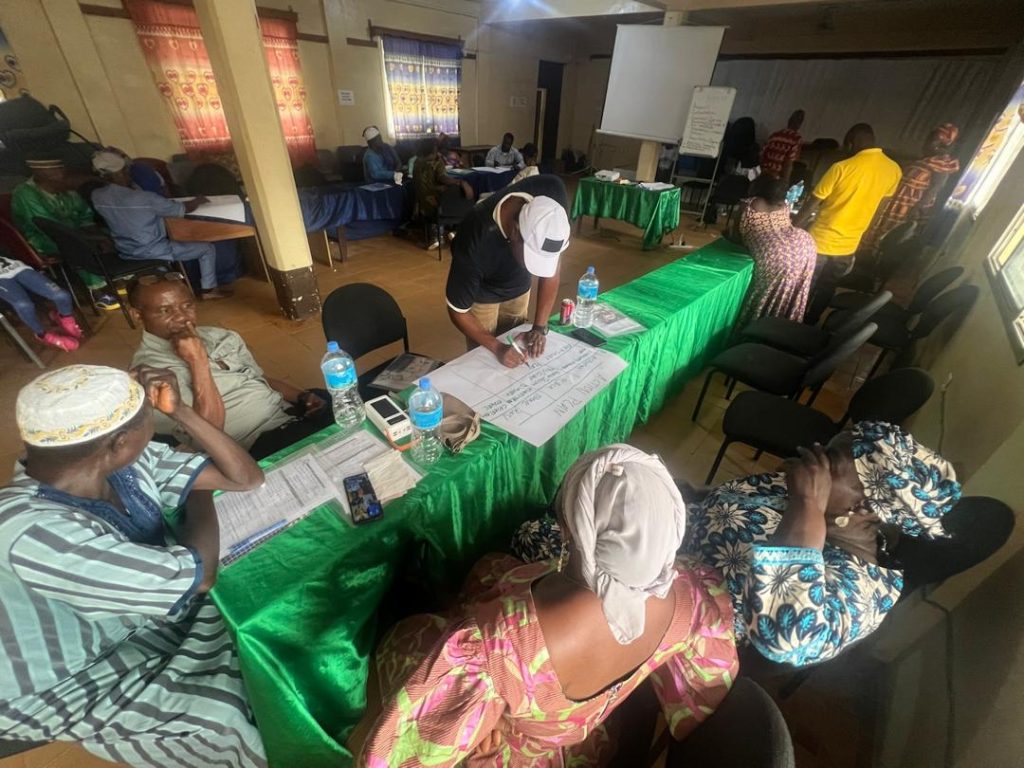
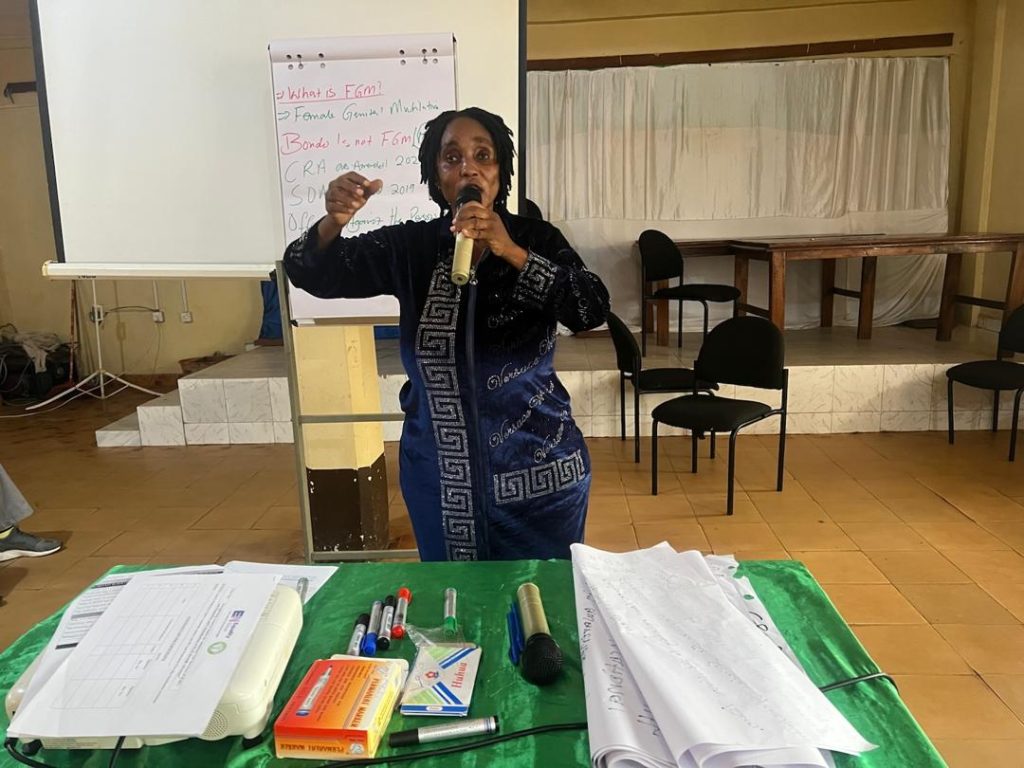
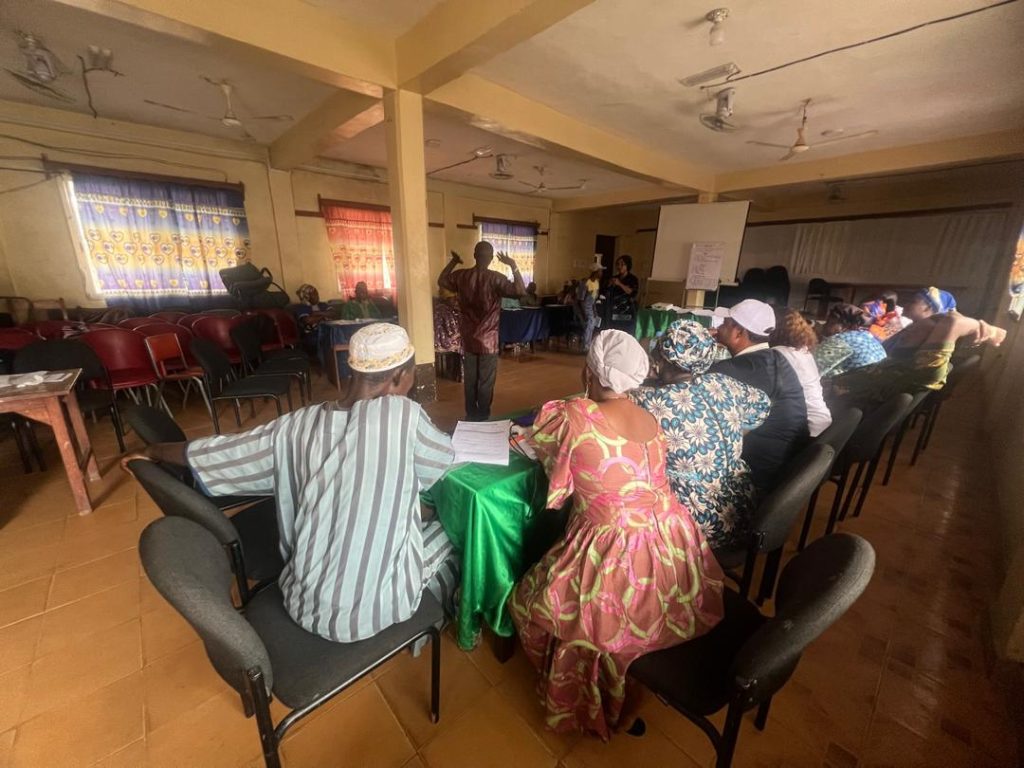
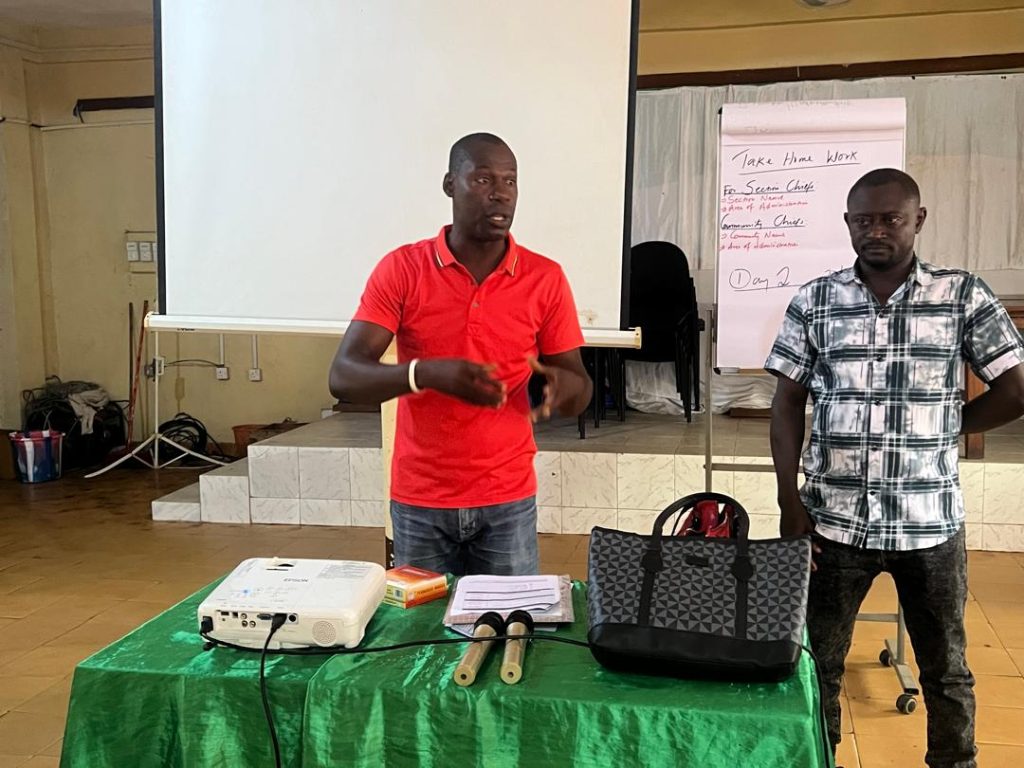
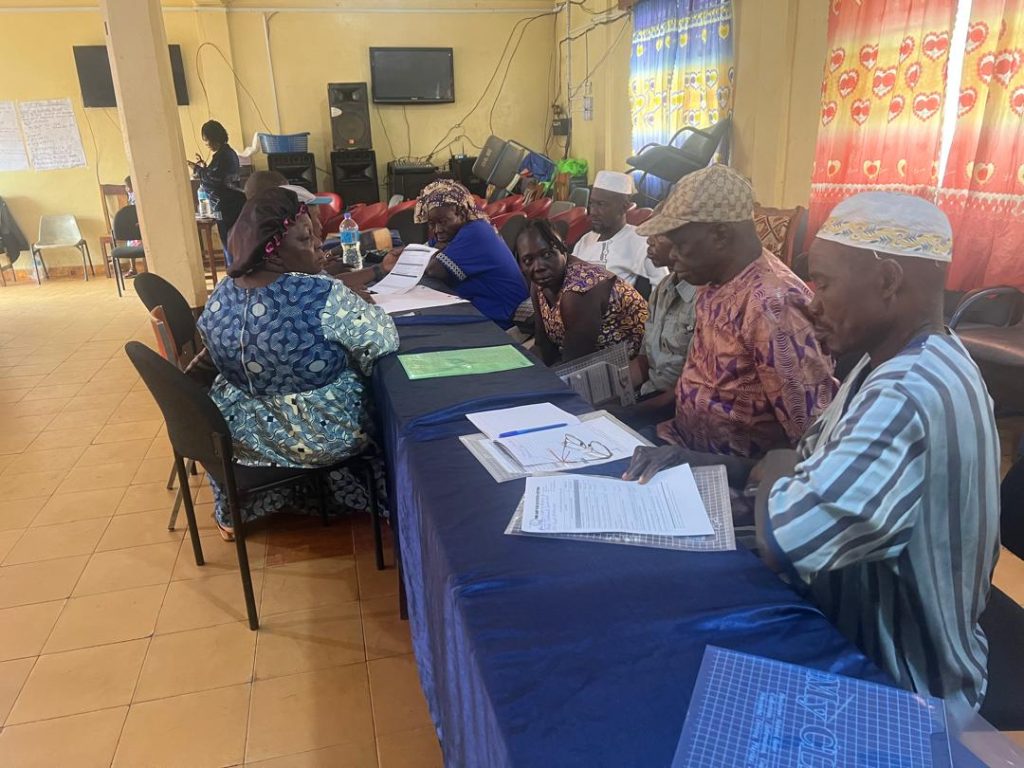
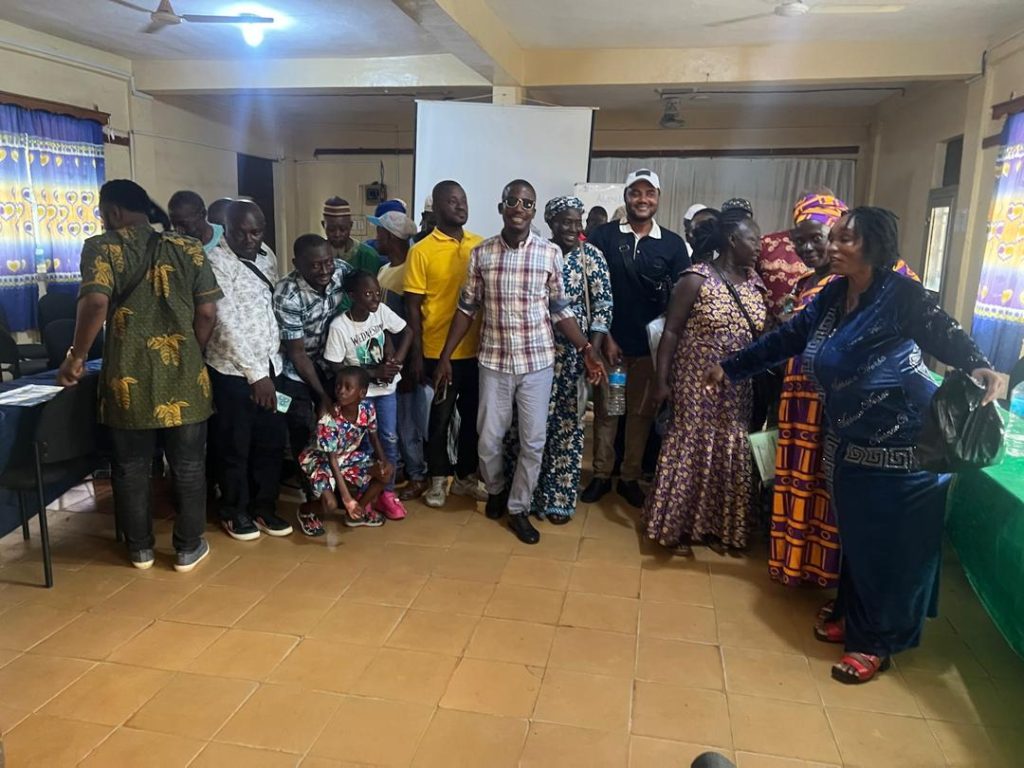
Women Against Violence and Exploitation in Society Sierra Leone (WAVES-SL) in partnership with EQUALITY NOW conducted two days’ workshop at the One World Link Complex Hall at Mattru road Bo City, Southern part of Sierra Leone. The sensitisation workshop was conducted for forty individuals (16 Paramount chiefs, 4 section chiefs, 10 community leaders/FSU Prosecutor Coordination, and 10 Societal Heads). The workshop was focused on Sexual Gender Based-Violence (SGBV ) laws, (Sexual Offences Act 2012, as Amended 2019, the Three Gender Justice Acts, 2007, the Prohibition of Child Marriage, 2024, the GEWE Act 2022, the Child Rights Act 2007, as amended 2025, the Customary Land Rights Act 2022, the Anti-Human trafficking and the Migrant Smuggling Act, 2022, The Basic and Senior Secondary Education Act, 2023, thus replaced the Education Act, 2004; the survivor rights, and their responsibility to support; not silence survivors.
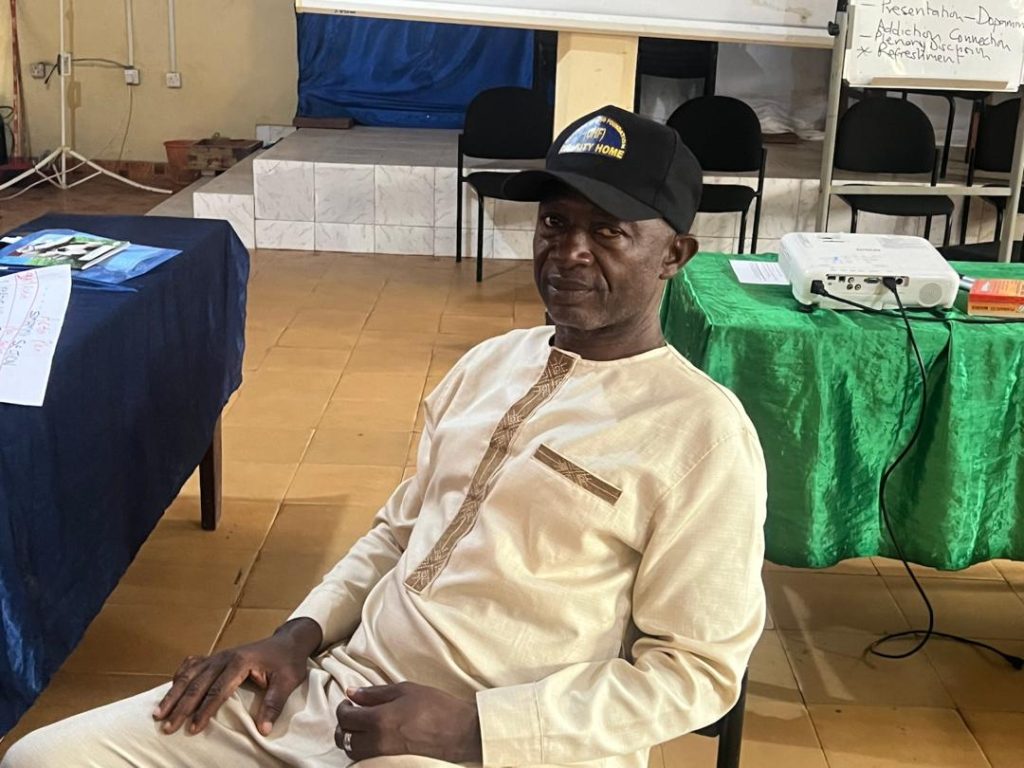
The Regent Chief of Kakua chiefdom Boyzie K. Lemoh. expressed gratitude to WAVES-SL for its generous gesture towards the people of the chiefdom. Speaking during the workshop session, the Regent Chief further thanked the organization for remembering the community and supporting local development efforts. He equally highlighted his role as Regent Chief, noting that his responsibility includes maintaining peace and unity, upholding the traditions and customs of the chiefdom, and serving as the link between government, NGOs, and the people to ensure development reaches every community. He called on other partners to emulate the examples of WAVES-SL
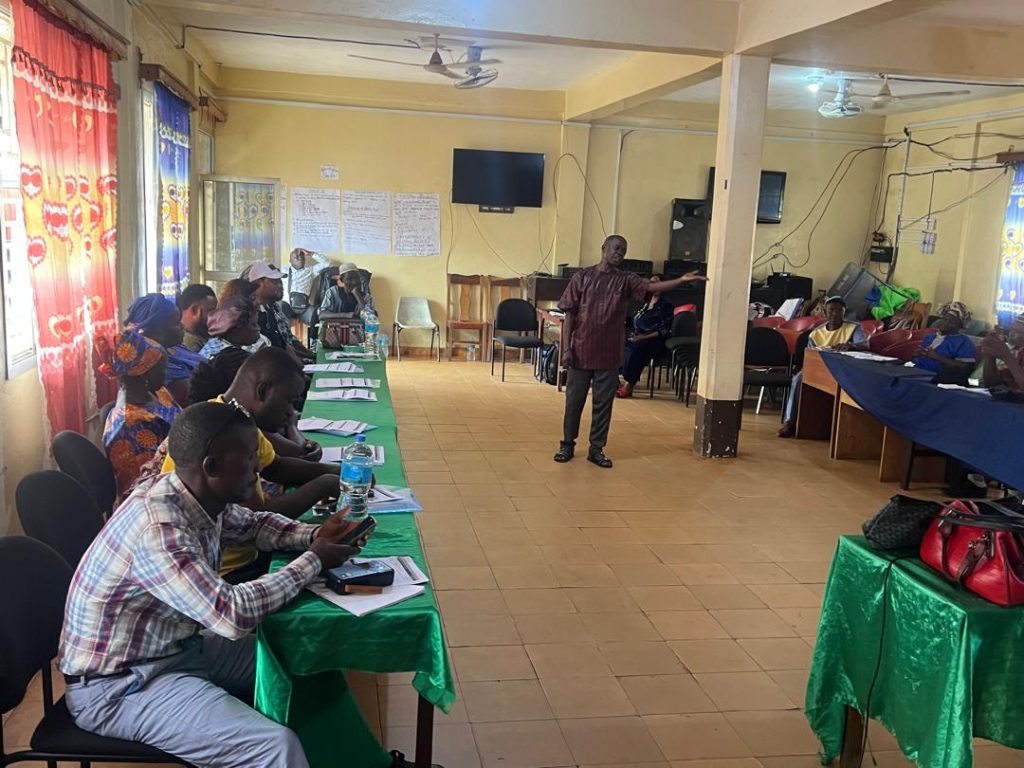
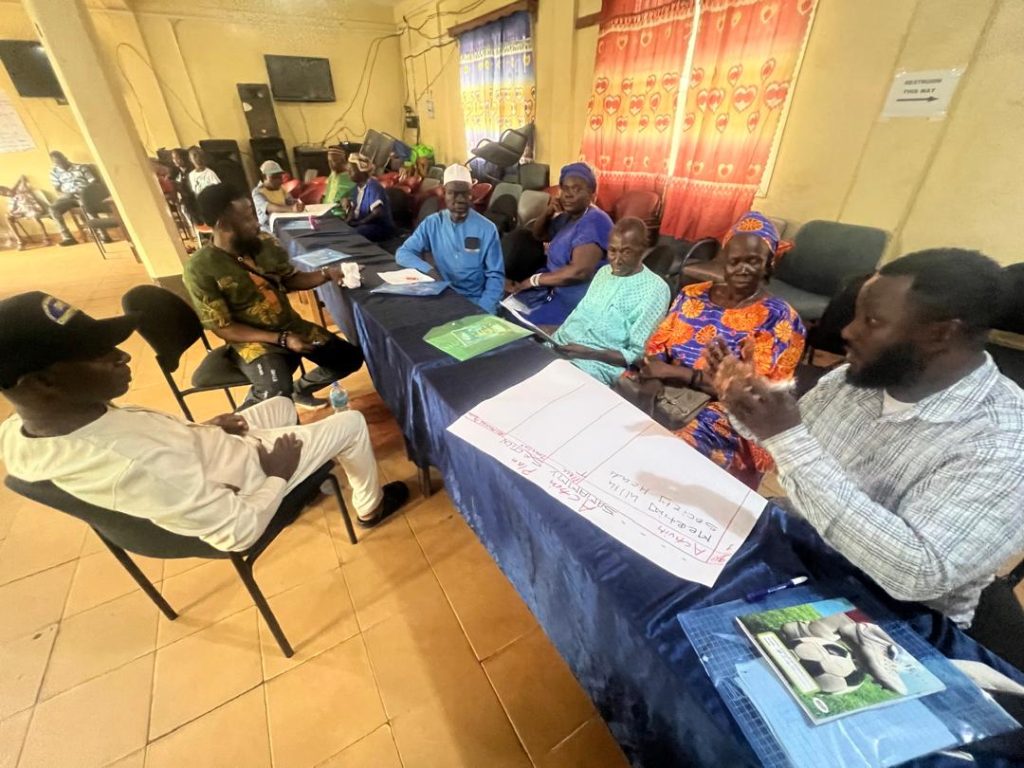
During the workshop, immense contributions were made by community leaders, FSU Prosecutors, and societal heads. Community leaders shared traditional practices and pledged to support the reporting of SGBV cases to the appropriate authorities.
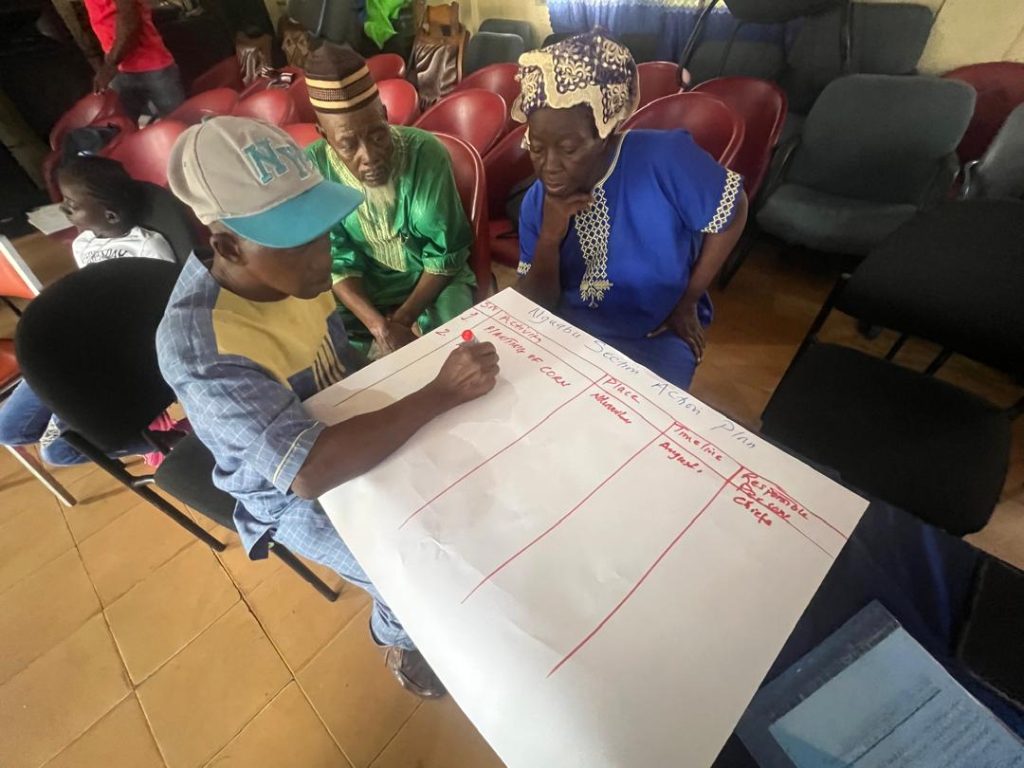
The Regional Coordinator Family Support Unit (FSU) Inspector Kanneh educated participants on the legal process, evidence requirements, and the importance of timely reporting to the Family Support Unit. Societal heads, including women’s leaders and youth representatives, highlighted cultural barriers and suggested community-based awareness strategies. Group discussions and plenary sessions allowed participants to develop action plan.
.