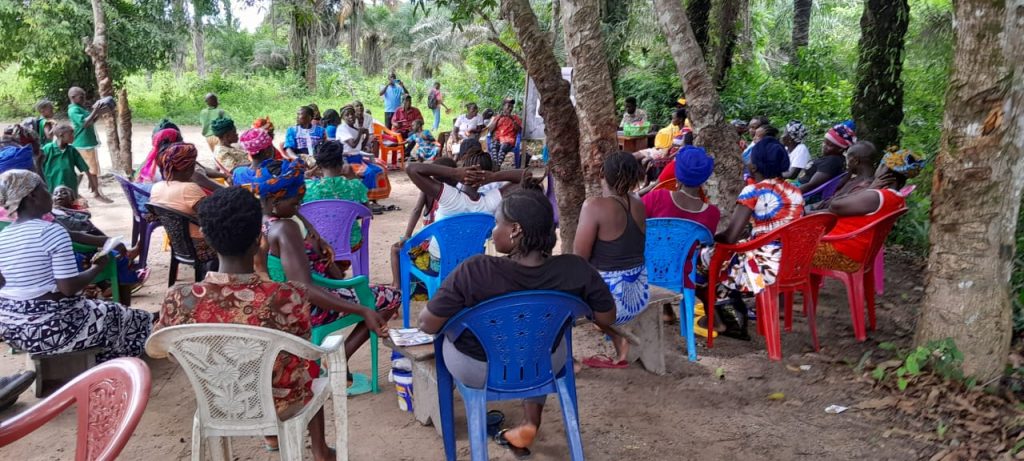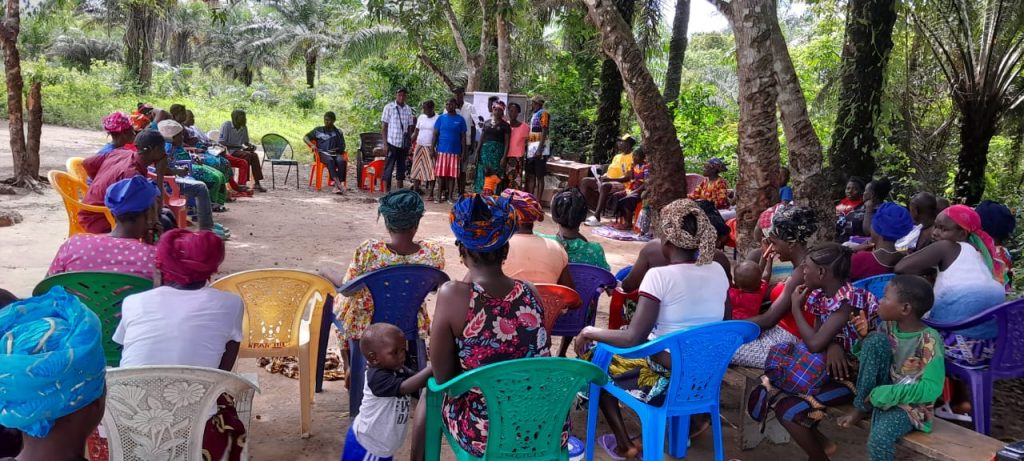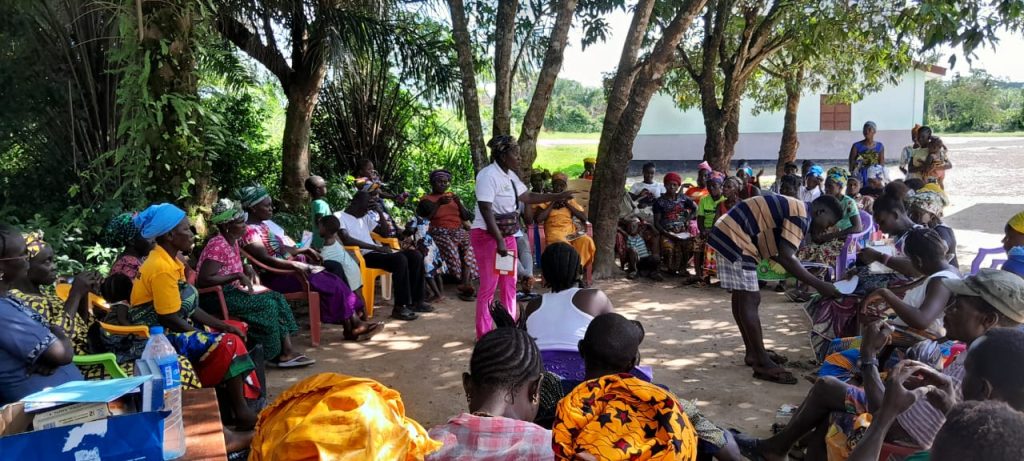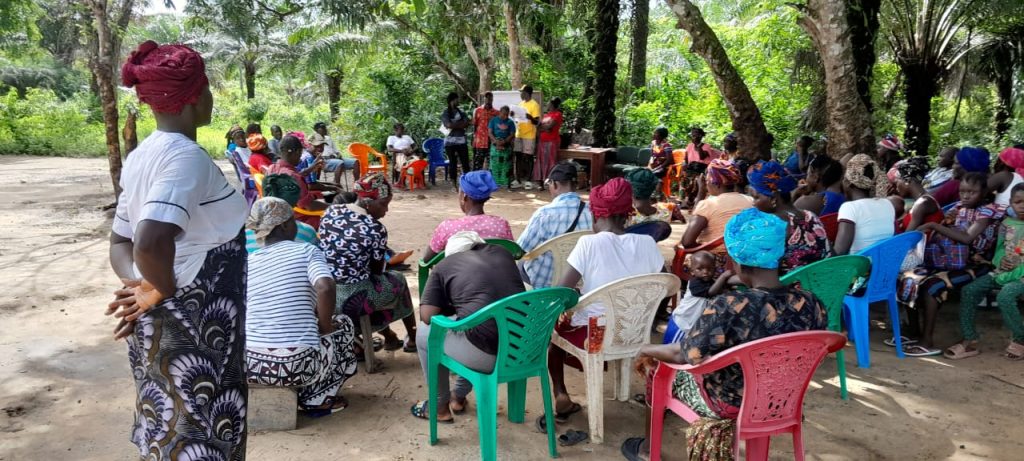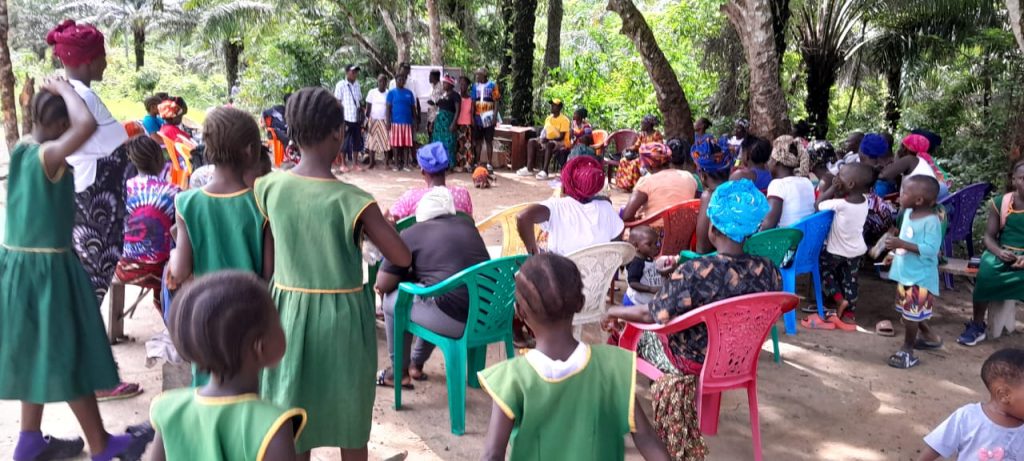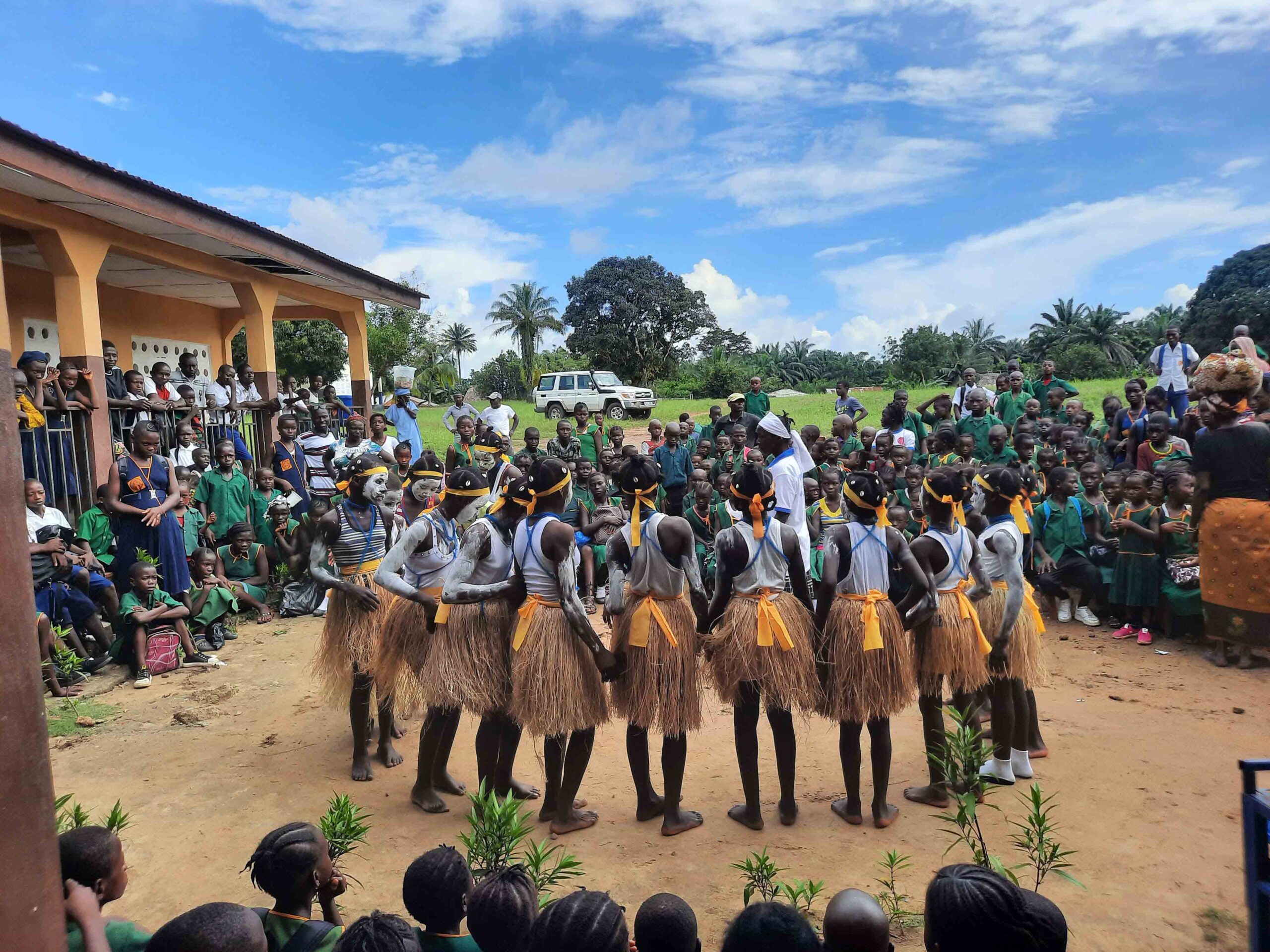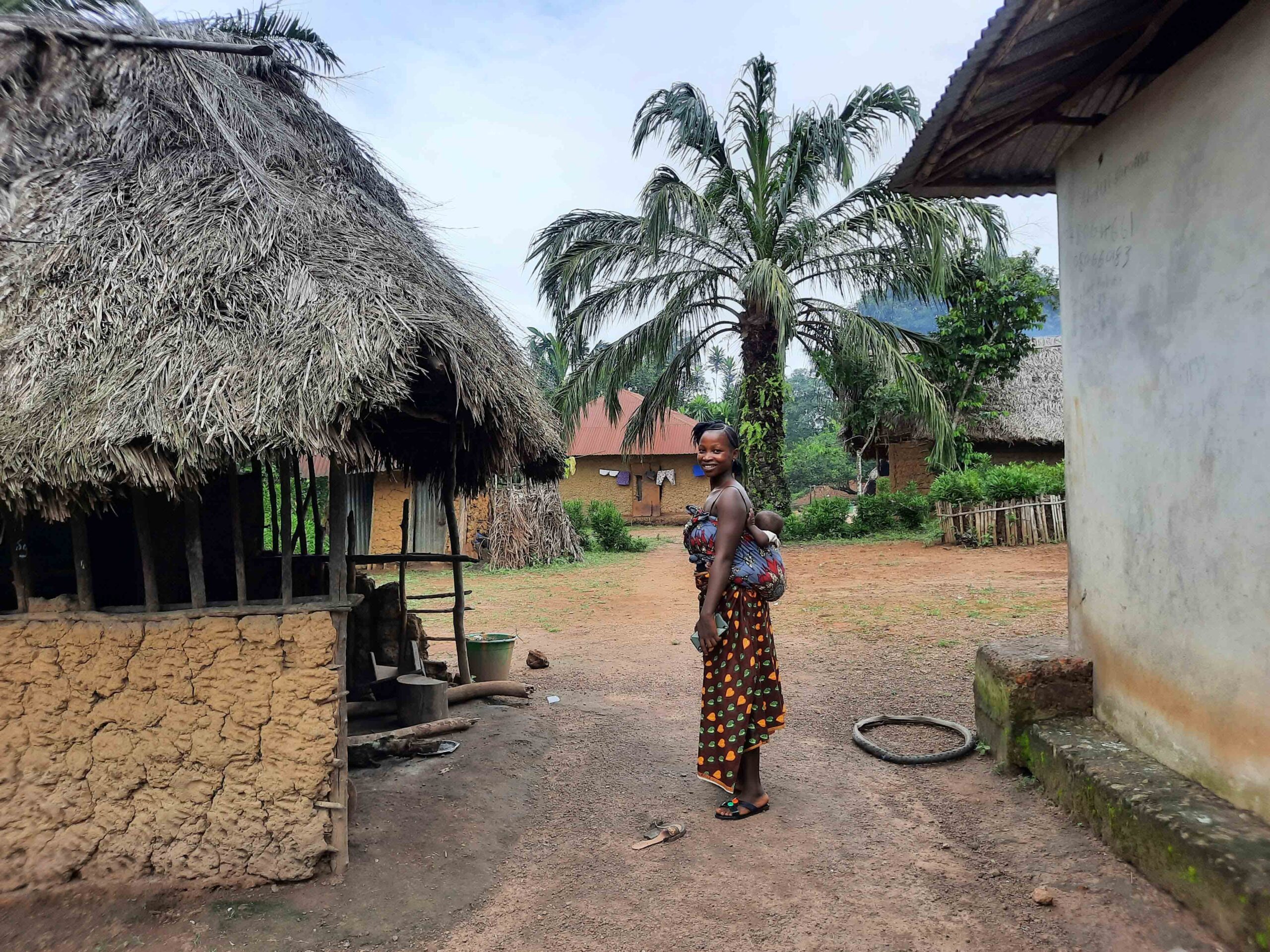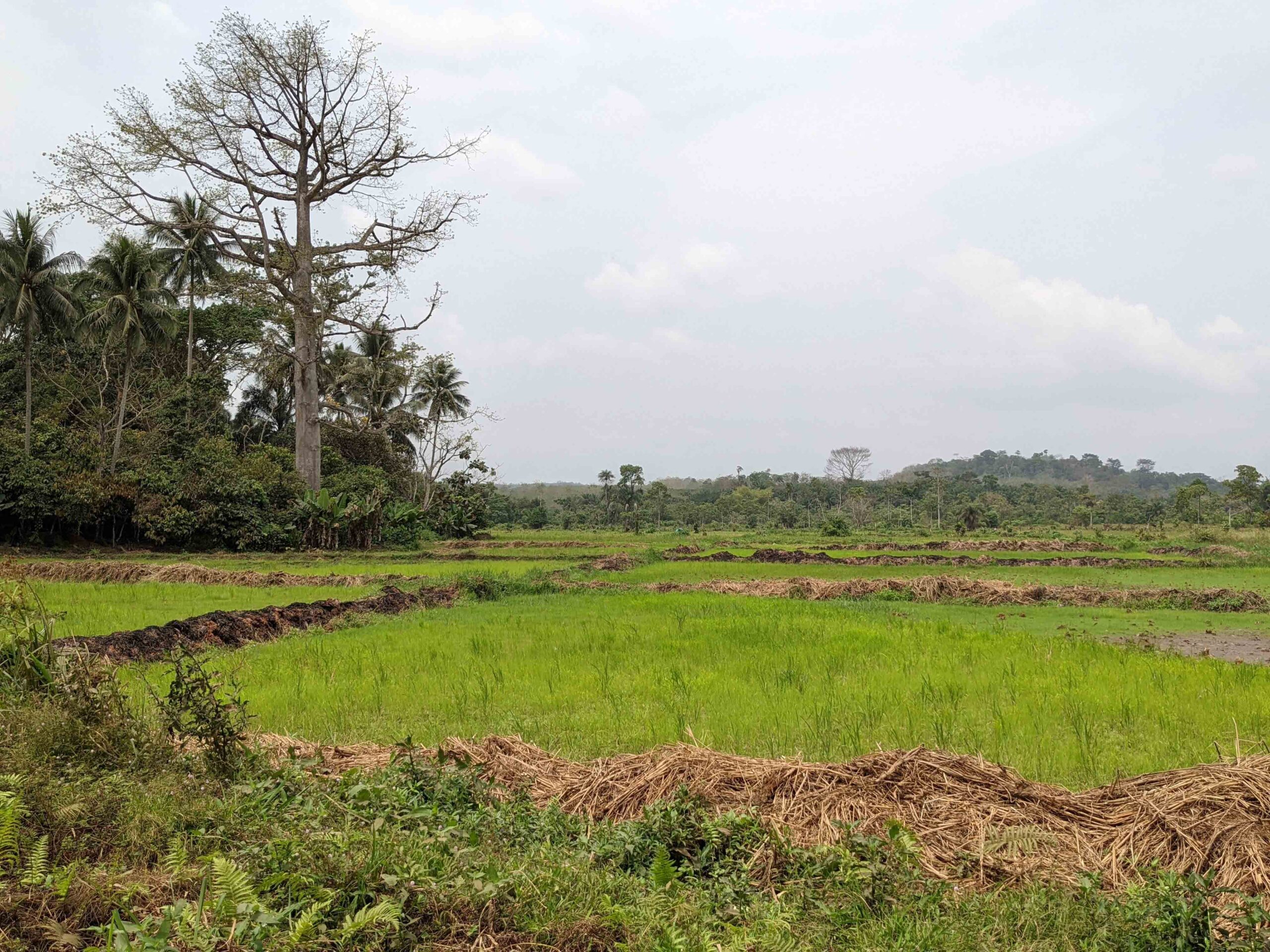
KPAR is a unique community in Niawa Lenga Chiefdom where women mainly depend on subsistence farming and petty trading as their source of livelihood. This community is proved to be under-served in terms of knowledge acquisition that would enable them to embark on development activities. This was clearly manifested during a monitoring visit conducted by WAVES-SL as the first Non-Governmental Organization that has ever worked in the community.
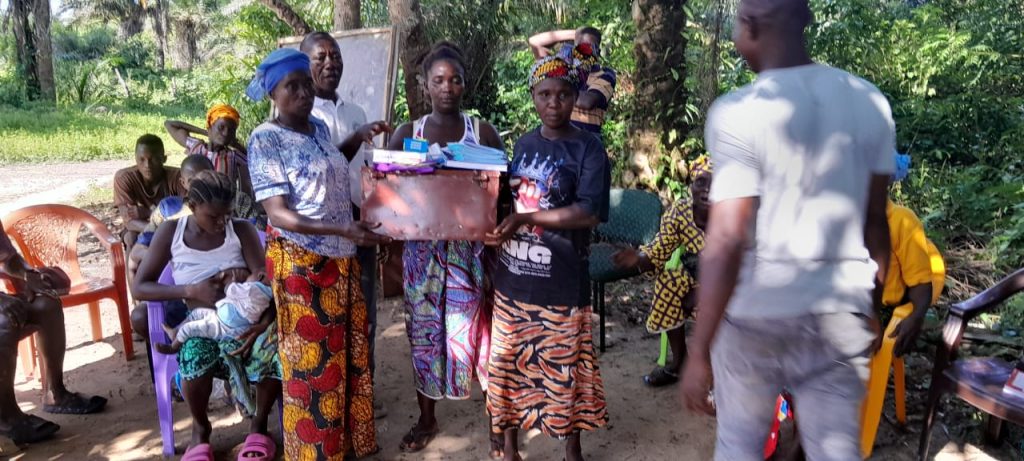
Our critical assessment revealed that have continued to pose challenge for this community. One of the areas identified was Economic vulnerability: Most women had no access to loans or savings facilities. The other challenge noticed was Low financial literacy: Women were saving in “Osusu” boxes at home where money was easily spent or stolen and the third critical challenge was Limited decision-making power: Without strong or potential income base, women would have little or no voice in household and community decision making processes.
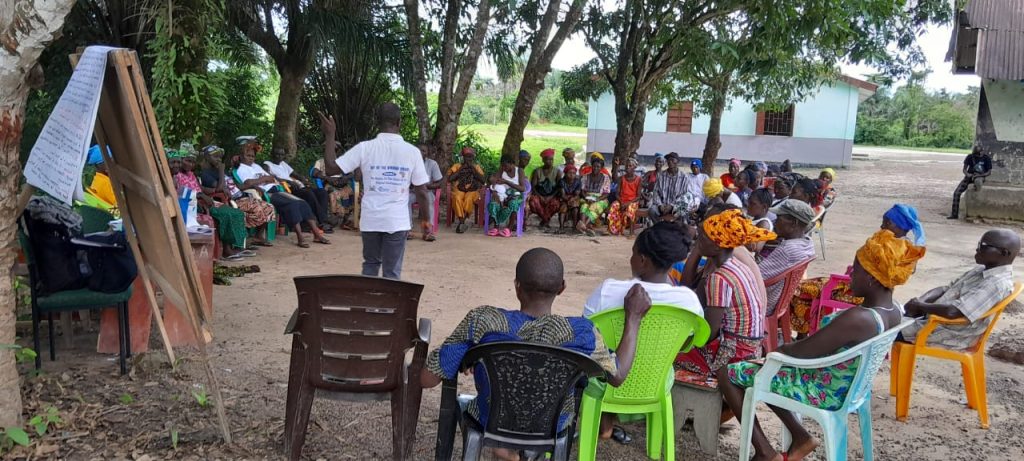
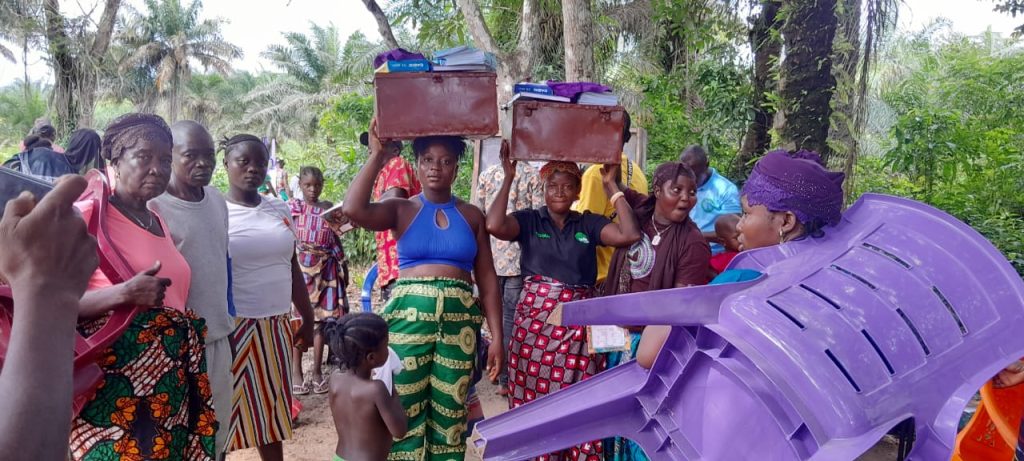
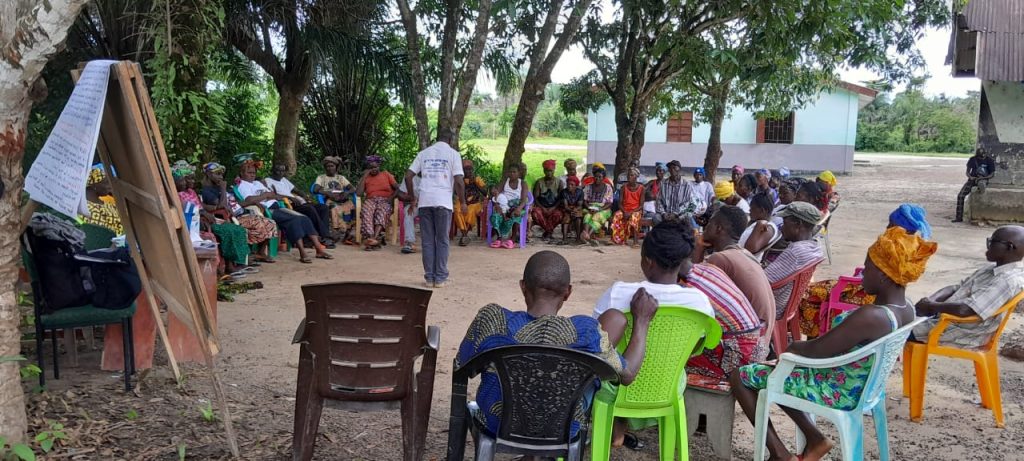
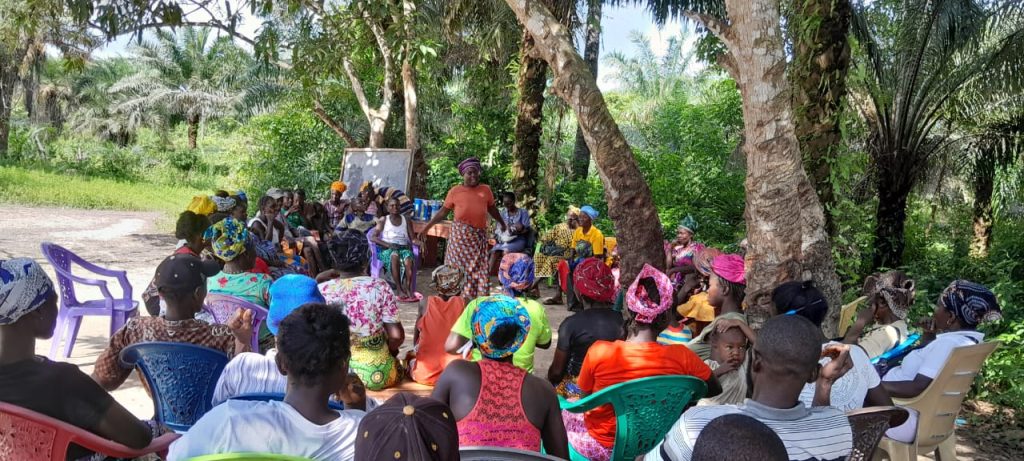
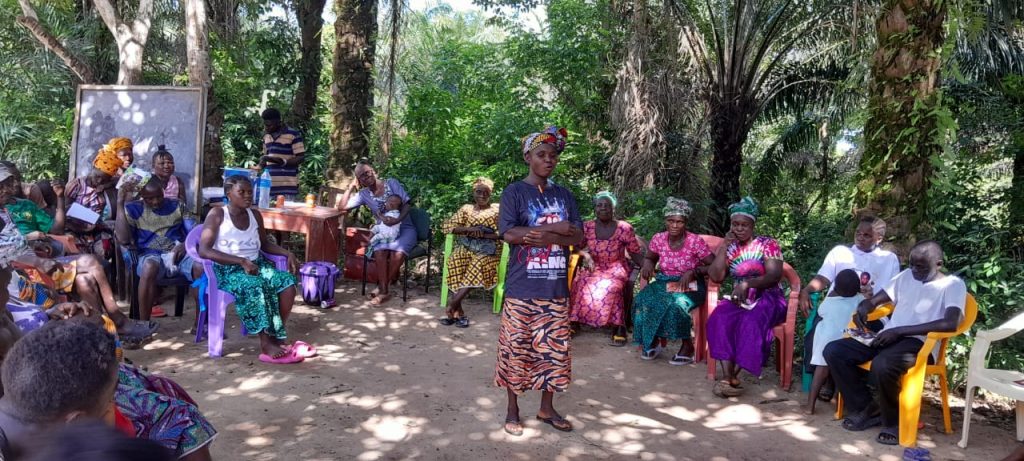
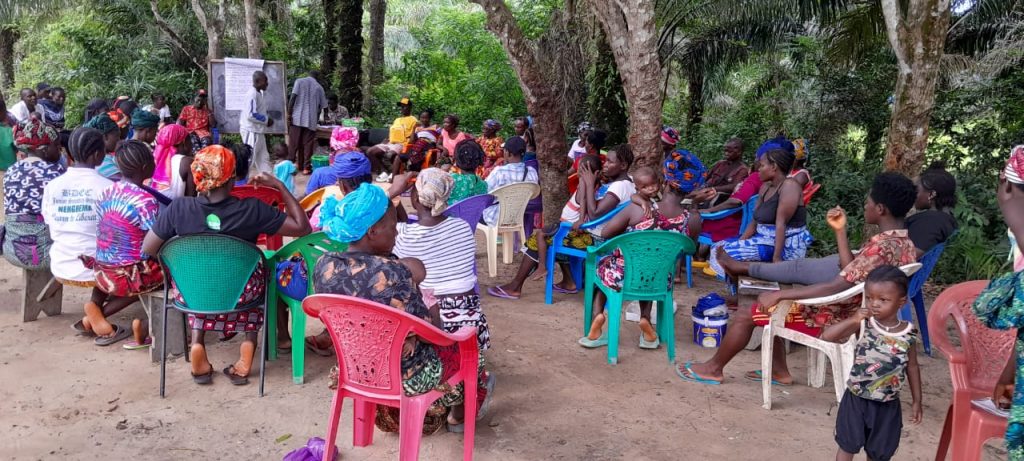
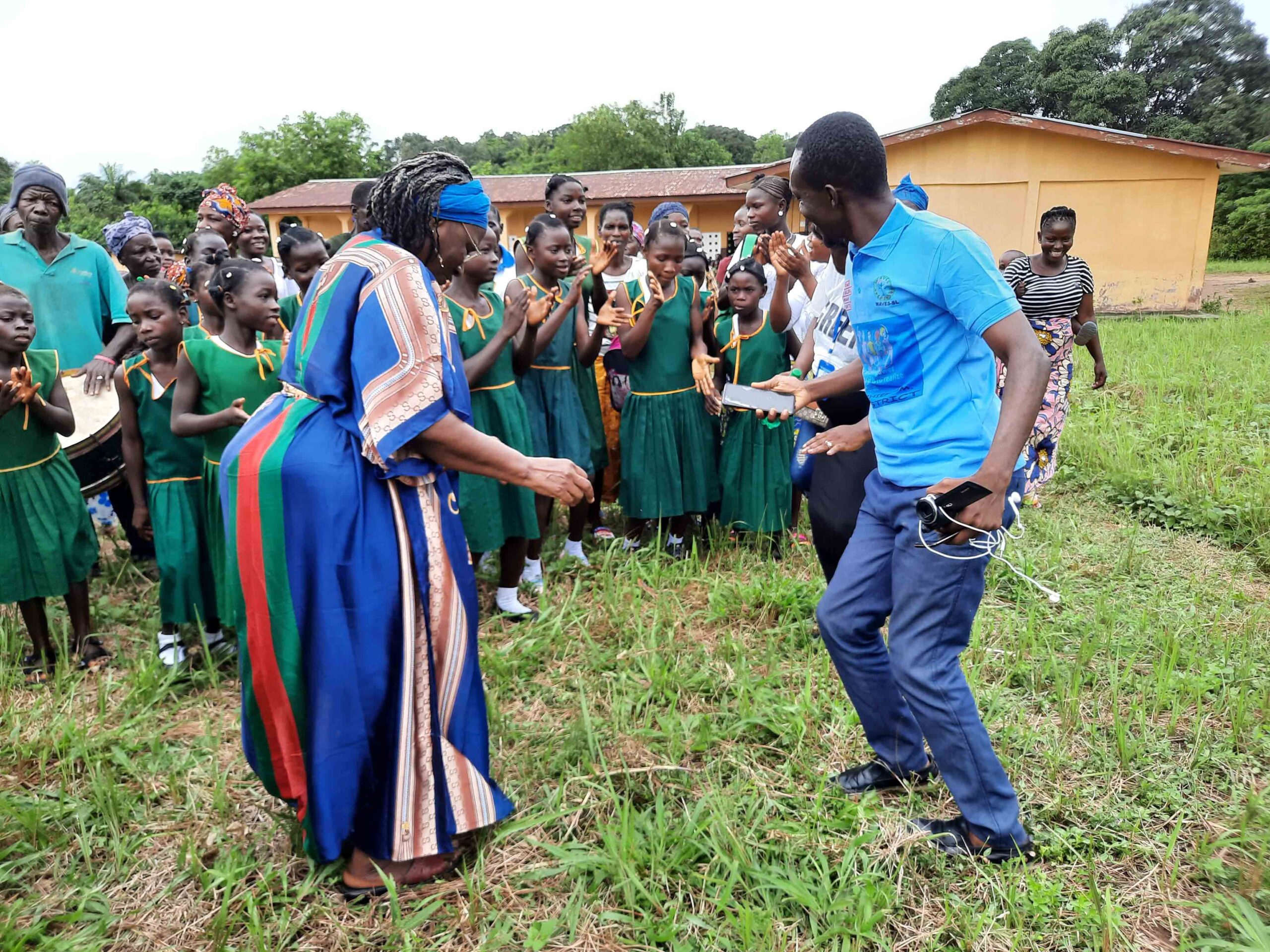
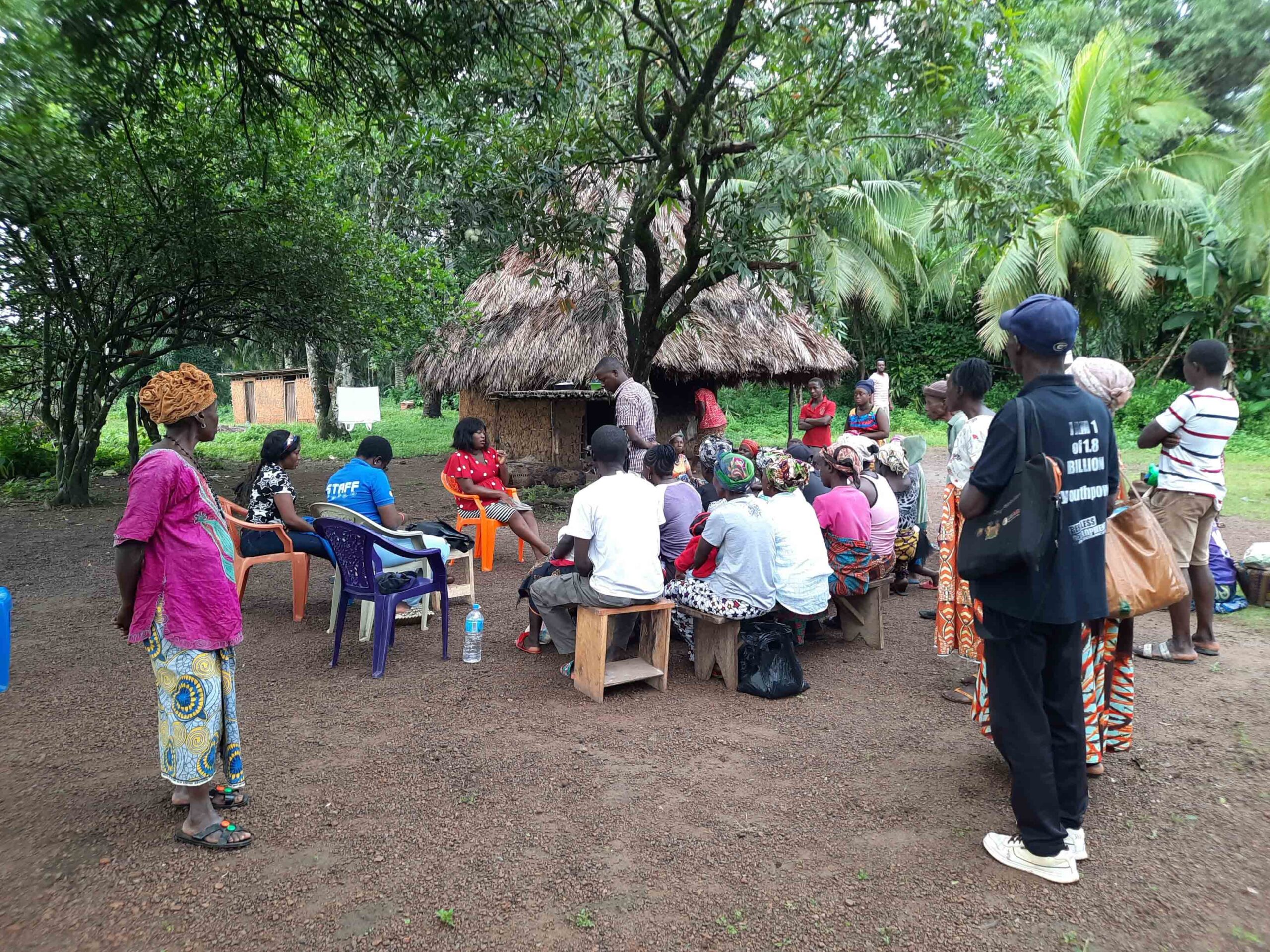
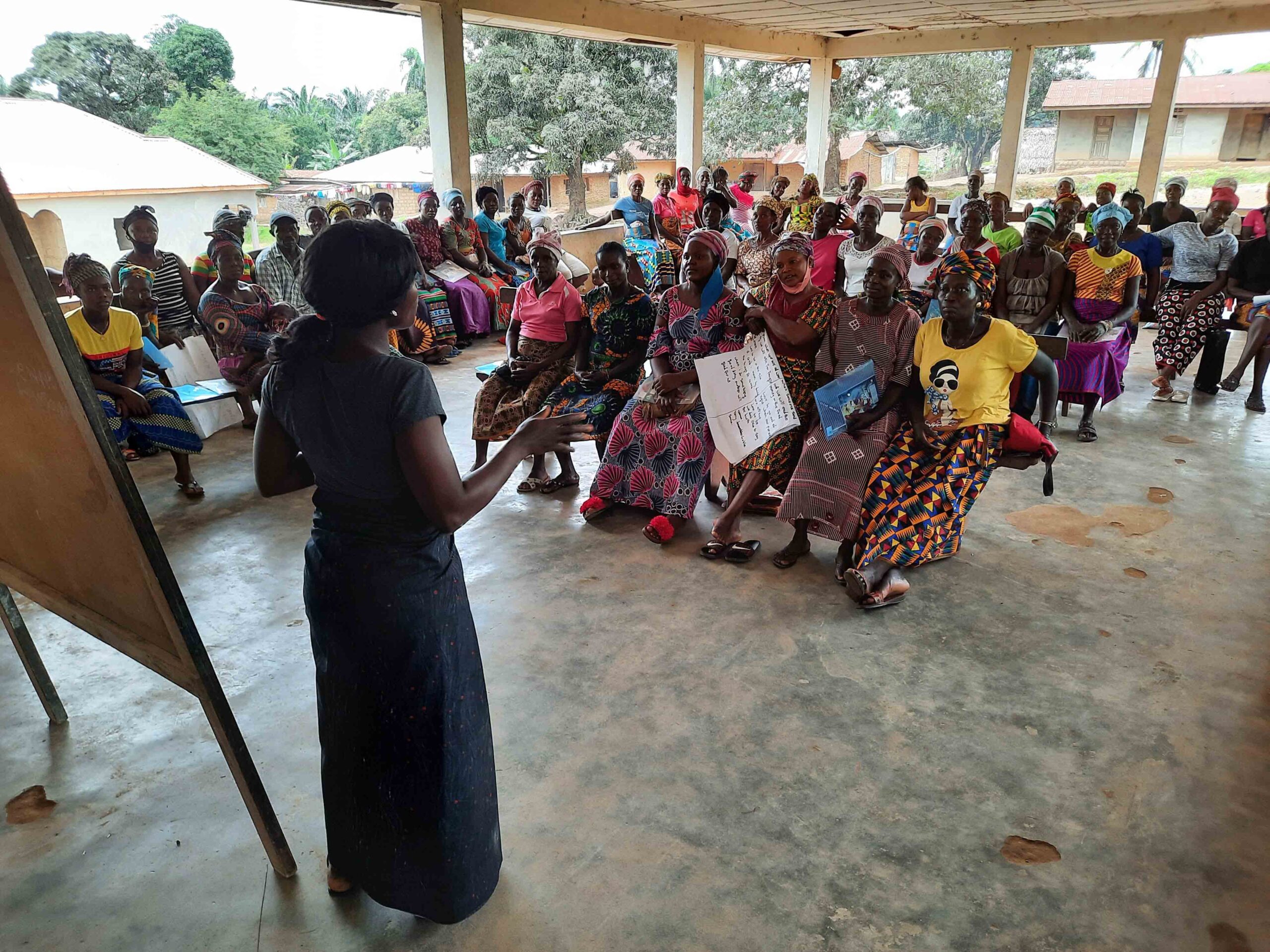
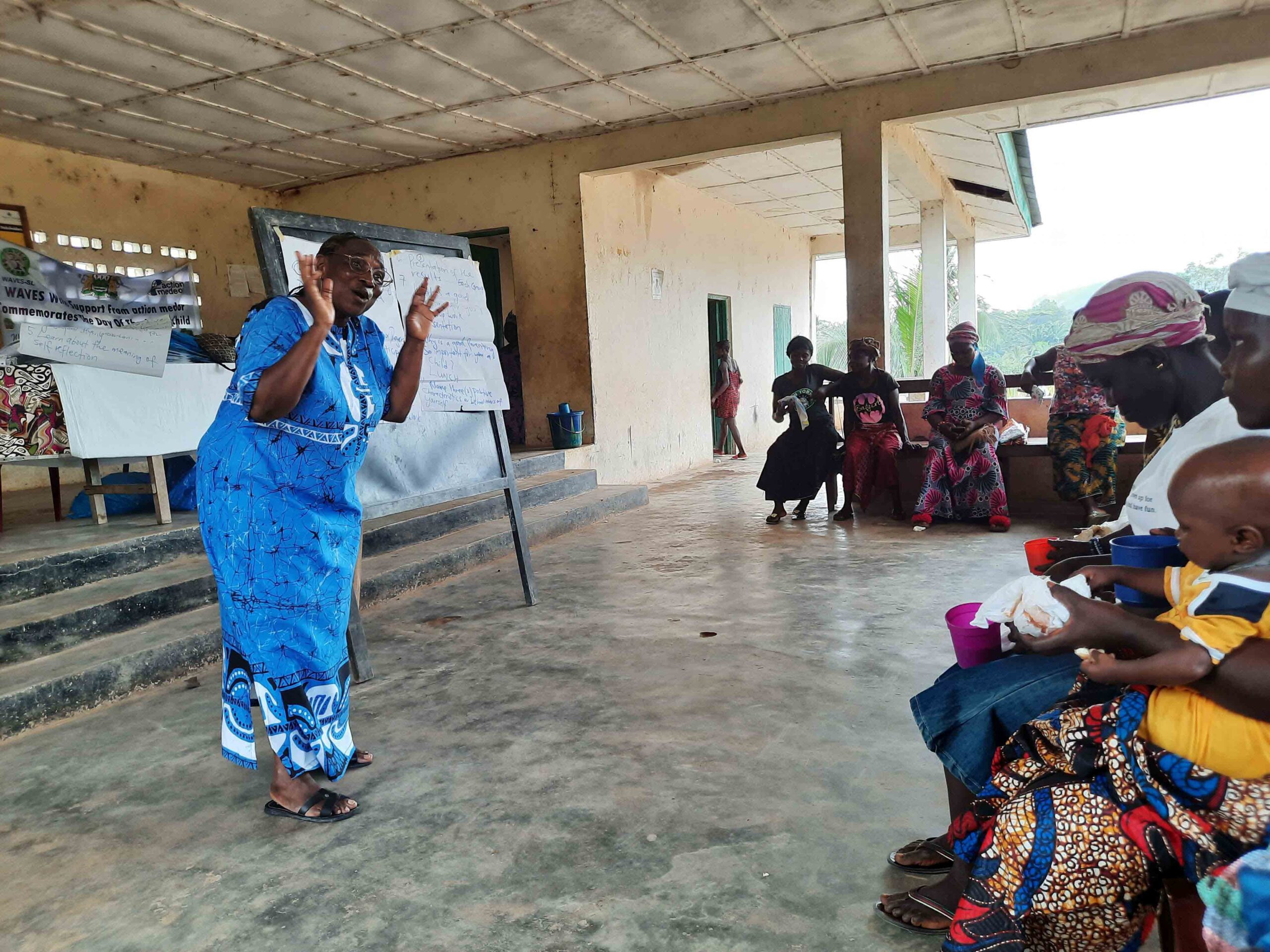
In view of the aforementioned, WAVES-SL conducted a VSLA training attended by community group members, including women and men from the various sections of the community, namely; Ndaimbuhun, Massakahun, Kaiwamahun 1, and Kaiwamahun 2. The training covered hundred participants. Twenty-four (24) males and seventy-six (76) females.
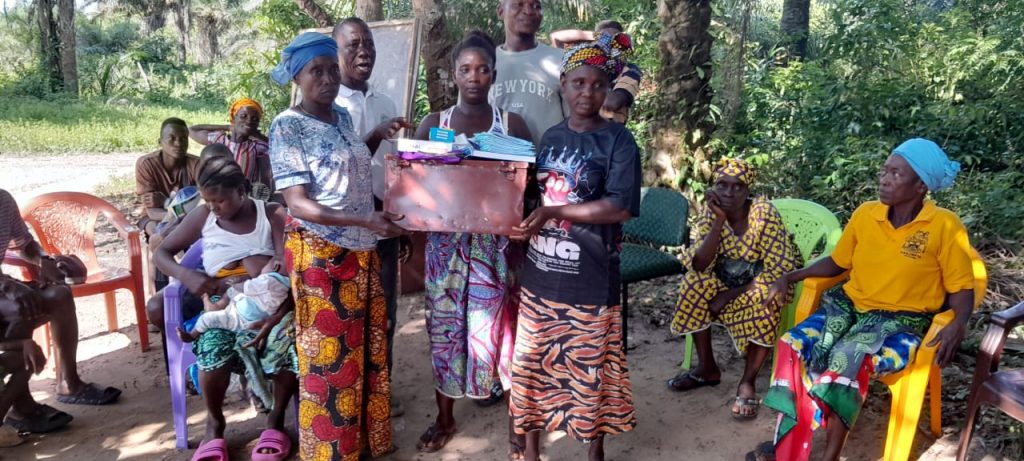
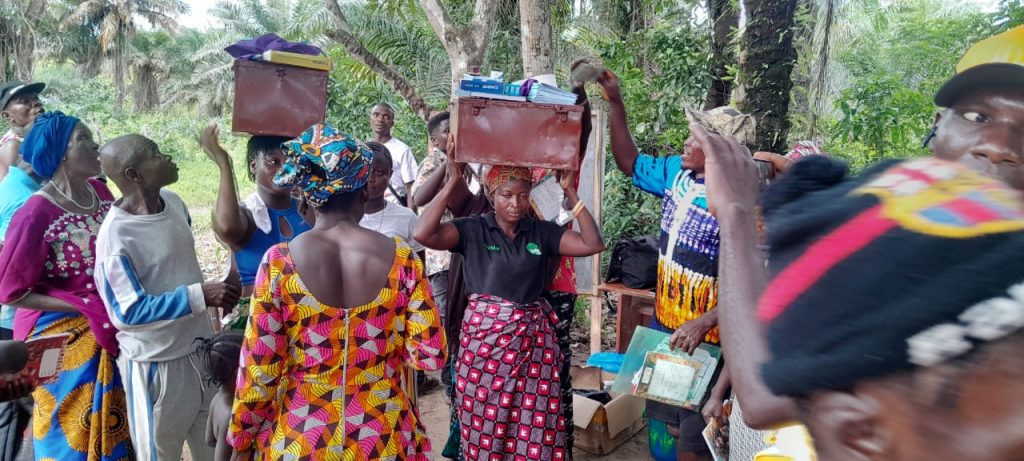
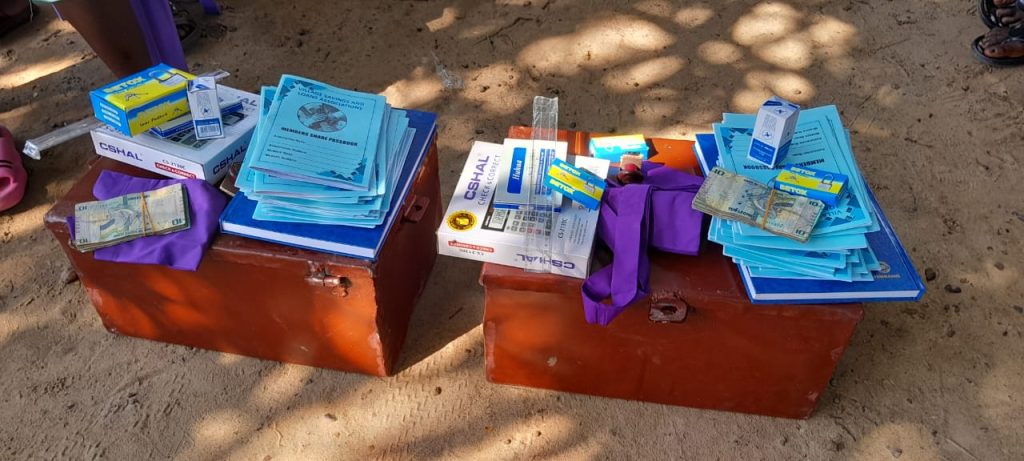
As per design, the VSLA training attempted to address some of the above-mentioned gaps dwelling on the following topics: Why It Matters. Group Formation. Electing chairlady, secretary, money counters, key holders. Setting group byelaws, build trust, transparency, and local leadership. Savings & Share-out cycle. Weekly savings, buying shares, record keeping in passbooks.
Finally, VSLA is not just about money, it is a protection and empowerment tool that could lead to breaking economic drivers of FGM/C: When a woman can pay fees or feed her family, she is less likely to accept money for a cutting ceremony.
VSLA runs for 9-12 months and do a share-out of the proceeds accrued. The money and skills remain in KPAR and will continue to yield dividend even after the project life cycle and would likely give rise to other development initiatives.